allisles.com
St John
allisles.com
St John
St John: Complete Caribbean Travel Guide
Visa Free
Last updated:
Quick Facts About St John
- Location: Lesser Antilles, US Virgin Islands
- Coordinates: 18.34, -64.74
- Area: 50.8 km²
- Population: 4,100
- Language: English
- Currency: US Dollar (USD)
- Timezone: America/St_Thomas
- Visa Required: No (visa free for most nationalities, but US immigration policy applies)
- Best Months to Visit: December through May
- Average Temperature: 28.1°C (82°F)
- Nearest Airport: Cyril E. King Airport (STT)
- Water Activities: Scuba diving available
About St John
St John stands as the smallest of the three main US Virgin Islands. The island sits in the Lesser Antilles chain in the eastern Caribbean. This compact island measures just 50.8 square kilometers and hosts about 4,100 residents. English is the official language here, and the US dollar is the currency.
St John overview reveals an island shaped by its natural beauty and protected status. Two-thirds of the island belongs to the Virgin Islands National Park. This protection has preserved pristine beaches, coral reefs, and tropical forests. The park was established in 1956, making it one of America's most unique national parks.
The island has two main towns: Cruz Bay and Coral World. Cruz Bay serves as the main commercial and ferry hub. Coral World sits on the eastern shore. Most visitors arrive at Cyril E. King Airport on nearby St Thomas, then take a short ferry to St John.
The terrain is hilly and green, covered in tropical vegetation. The highest point, Bordeaux Mountain, rises 387 meters above sea level. Scenic roads wind through the island, connecting beaches and viewpoints. The island's infrastructure is simple but functional, with basic amenities throughout.
PRO TIP: Book your ferry tickets in advance during peak season (December to April). The ferry from St Thomas to Cruz Bay takes about 20 minutes and costs around $8 one way per person.
Why Visit St John

Best forfamiliescouplessolo travelersbudget travelersluxury travelers
St John offers something special for every type of traveler. The island combines natural beauty, outdoor activities, and a laid-back Caribbean atmosphere. Visitors find excellent beaches, hiking trails, and water sports all within easy reach.
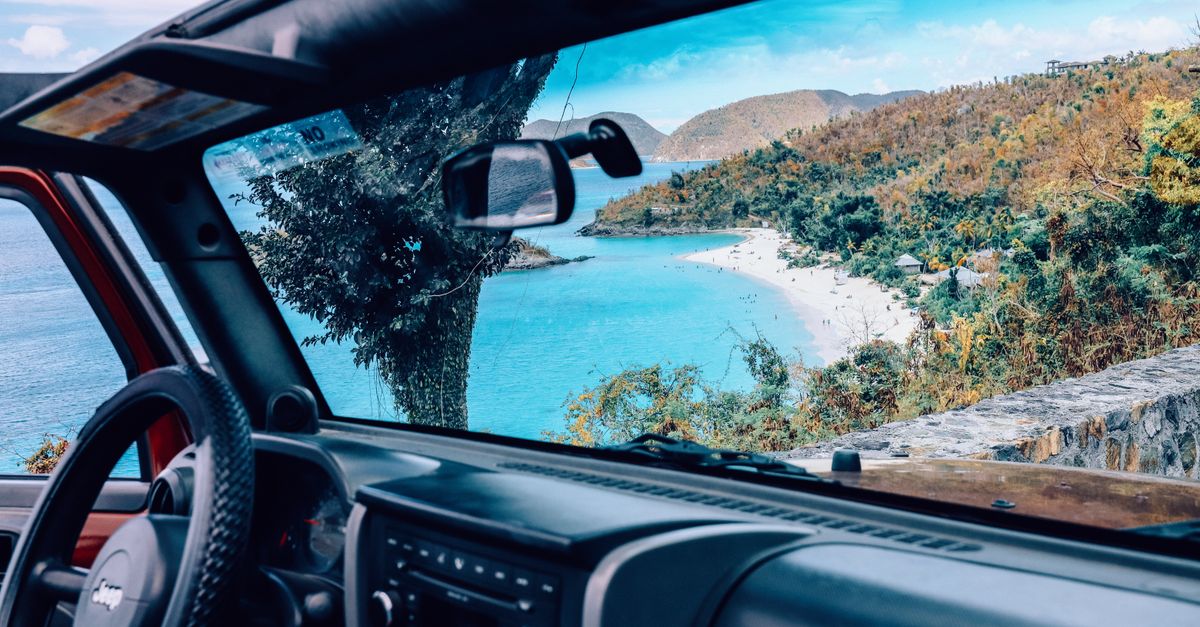
The beaches on St John are world-class. Trunk Bay features an underwater snorkel trail with marked coral formations. Coral World Beach offers shallow, calm waters perfect for swimming. Cinnamon Bay provides water sports rentals and a relaxed vibe. Annaberg Beach sits near historic plantation ruins. Each beach has its own character and attractions.
Scuba diving draws enthusiasts from around the globe. The island's coral reefs support diverse marine life. Visibility often exceeds 20 meters on good days. Popular dive sites include Eagle Ray and Coral Gardens. Both experienced divers and beginners find suitable locations.
Hiking is excellent on St John. The Virgin Islands National Park maintains over 20 trails. Trails range from easy beach walks to challenging mountain routes. The Reef Bay Trail is a popular choice, ending at a waterfall and historic plantation site. Annaberg Plantation Trail offers history and coastal views combined.
The island's small size means less development and more natural spaces. You won't find cruise ship crowds or high-rise hotels here. The atmosphere stays peaceful and authentic. Local culture remains strong despite tourism.
St John for Families
Best forfamilies with children of all ages
St John works well for family vacations because of its safety, natural attractions, and family-friendly activities. The island feels secure and welcoming to visitors with children. Beaches are calm and suitable for young swimmers. The National Park provides free education and nature experiences.
Beach Activities: Trunk Bay offers the best family beach experience. The beach has calm, shallow water and pristine sand. Kids enjoy the underwater snorkel trail with colorful fish and coral. Lifeguards are on duty during peak season. The beach has facilities including restrooms and picnic areas.
Cinnamon Bay also welcomes families. This beach rents snorkel equipment, kayaks, and paddleboards. The shallow water near shore is perfect for young children. A small bar and restaurant serve lunch and drinks for adults.
Easy Trails: The Coral World Trail is short and easy for small children. This trail takes about 20 minutes and leads to a scenic overlook. The Annaberg Plantation Trail offers history combined with manageable hiking. Kids can explore old plantation buildings while enjoying sea views.
Practical Tips: Bring plenty of sunscreen and insect repellent. The sun is intense in the Caribbean. Mosquitoes are active at dawn and dusk. Pack a light rain jacket since afternoon showers occur frequently. Bring water bottles to stay hydrated during hikes. Most food-restaurants are casual and welcoming to families.
Lodging Options: St John offers vacation villas, cottages, and small hotels. Many properties have kitchenettes, reducing dining costs. Camping at Cinnamon Bay provides an affordable family option. Most accommodations require a car rental to access beaches and trails.
PRO TIP: Visit Trunk Bay early in the morning before 9 AM to avoid crowds. Parking fills up quickly during peak season. The beach is less crowded and water visibility is better early in the day.
St John for Couples

Best forromantic getaways and honeymoons
St John offers romance through natural beauty and peaceful settings. The island provides intimate beaches, scenic viewpoints, and quiet accommodations. Couples appreciate the absence of large resorts and party atmospheres.
Romantic Beach Experiences: Sapphire Beach sits on the north shore with calm, clear water. The beach is less crowded than Trunk Bay. Couples can swim together or relax under palms. Sunset Beach provides a western view perfect for evening walks. Watch the sun set over the Caribbean Sea together.
Honeymoon Beach lives up to its name. This small, secluded beach feels private and peaceful. The turquoise water is inviting for couples who want to swim together. The beach name itself makes it popular with honeymooners.
Scenic Dining: The Longboard Grill Restaurant at Coral World Beach offers oceanfront dining. Eat lunch while watching sailboats pass by. Estate Zootenvaal serves local cuisine in a garden setting. Make a reservation for dinner to ensure good seating.
Sunset Activities: Drive to Coral World overlook for sunset views. The elevation provides panoramic vistas across the water. Bring champagne or wine to share together. Many viewpoints offer romantic settings without crowds.
Adventurous Couples: Try scuba diving together at one of the nearby dive shops. Many couples do their scuba certification together in these calm waters. The coral reefs provide excellent scenery for underwater exploration.
Hiking to Waterfall Beach combines adventure with romance. The trail leads through the forest to a secluded beach. Swimming in the waterfall pool creates a memorable experience together.
St John for Solo Travelers
Best forindependent travelers and self-guided explorers
Solo travelers find St John manageable and rewarding. The island is small enough to navigate easily. English is spoken everywhere, eliminating language barriers. The tight-knit community welcomes solo visitors warmly.
Budget Considerations: St John costs less than many Caribbean islands. Camping at Cinnamon Bay costs around $25 to $35 per night. Villa rentals shared with other travelers reduce accommodation costs. Street food and casual restaurants are affordable options. The National Park entrance is free.
Safe Exploration: The island is generally safe for solo travelers. Stay in Cruz Bay or Coral World for easy access to services. Beaches and trails are well-maintained and clearly marked. Stick to populated areas at night. Most locals are helpful if you need directions.
Meeting Other Travelers: Cinnamon Bay campground is a hub for solo travelers. The communal setting makes it easy to meet others. The beach bar brings people together in the evenings. Join group hiking tours organized by the National Park.
Solo-Friendly Activities: Snorkeling solo is safe in calm bays. Bring a buddy if diving. Hiking during daylight hours works well alone. Many trails have clear markers. Start early to finish before dark. Take a book to a quiet beach for relaxation.
Transportation: Renting a car gives you independence on the island. Roads are simple to navigate given the small size. Taxis and shared rides connect main towns. The ferry system is straightforward for reaching neighboring islands.
PRO TIP: Join the evening "Sunset Cruise" tours departing from Cruz Bay. These group activities are perfect for meeting other solo travelers while enjoying the ocean and sunset together.
Best Time To Visit St John

Best fortrip planning and understanding seasonal patterns
The best months to visit St John are December through May. These months offer warm weather, lower humidity, and minimal rainfall. The winter dry season brings perfect conditions for beach days and water activities.
December to February: This is peak season with the most visitors. Weather is ideal with little rain. Temperatures average 28.1°C (82°F). Expect higher prices and crowded beaches. Book accommodations months in advance. The winter holidays bring families on vacation.
March to May: Spring offers excellent weather with fewer crowds than winter. Prices drop slightly from peak season levels. Water visibility remains good for snorkeling and diving. Hotels and restaurants are less crowded. Easter weeks see increased visitors.
June to November: This is the rainy season with occasional heavy showers. Hurricane season runs June through November, peaking in September. Afternoon thunderstorms are common but brief. The island receives significantly less rainfall than mainland US locations. Prices drop 30 to 50 percent during this period.
Weather Patterns: St John enjoys year-round warmth from trade winds. The trade winds keep temperatures moderate and comfortable. Rainfall varies significantly by season. The hillier terrain receives more rain than coastal areas. Pack light, breathable clothing year-round.
Water Temperature: Ocean water stays warm year-round, between 24 and 29 degrees Celsius. Winter months bring the coolest water. Summer months are warmest. The water is never too cold for swimming.
Humidity Levels: Humidity is higher during summer months. Winter months feel more comfortable with lower humidity. The constant trade winds provide relief from heat. Early mornings are the most comfortable times to hike.
Getting To St John
Best forunderstanding transportation options and entry requirements
Visa Requirements: Most nationalities do not need a visa to enter St John. However, US immigration policy applies since St John is a US territory. Many travelers need an ESTA (Electronic System for Travel Authorization) or a US visa. Check your nationality's requirements with the US State Department website before booking. Citizens of visa waiver countries can often enter with just a passport.
Flying to the Island: All flights arrive at Cyril E. King Airport (STT) on neighboring St Thomas. The airport is about 20 minutes from the ferry dock. Major airlines serve this airport from mainland US cities. Flight times from the east coast are typically 4 to 5 hours. Direct flights are available from major hubs like Miami, Atlanta, and Newark.
Ferry to St John: The ferry from St Thomas to St John is the main transportation method. The ferry takes about 20 minutes and runs throughout the day. Tickets cost around $8 one way per person. The ferry departs from Red Hook on St Thomas's eastern end. Book tickets in advance during peak season to ensure availability. The ferry ride offers scenic water views of the islands.
Car Rental: Renting a car on St John provides the most independence. Several rental companies operate at Cruz Bay. A valid driver's license from your home country is sufficient. Roads are narrow and winding but well-maintained. Driving is on the left side of the road like the British. Many rental cars have four-wheel drive due to hilly terrain.
Ferry Between Islands: Ferries also connect St John to St Croix and St Thomas. These ferries allow island hopping for multi-island vacations. Schedule and pricing vary seasonally. Book in advance during peak travel times.
What to Bring: Pack light clothing for warm weather. Bring reef-safe sunscreen to protect coral when snorkeling. A light rain jacket handles brief showers. Sturdy hiking shoes are essential for trails. A reusable water bottle reduces waste. Insect repellent helps with mosquitoes at dawn and dusk.
Currency and Banking: The US dollar is the official currency. ATMs are available in Cruz Bay at several locations. Credit cards work at most restaurants and hotels. Some small shops only accept cash. Notify your bank of travel dates if using cards abroad.
PRO TIP: Arrive at the ferry dock 30 minutes early during peak season. Parking at Red Hook fills up quickly. Consider taking a taxi from the airport to the ferry to avoid parking hassles.
Frequently Asked Questions
What Is the Best Beach on St John for Families?
Trunk Bay is the best family beach on St John. The water is calm and shallow near the shore, perfect for young children. A lifeguard is on duty during peak season. The beach features the famous underwater snorkel trail with marked coral formations and colorful fish. Amenities include restrooms, picnic areas, and fresh water showers. The beach is free to enter, though parking costs $4 per vehicle. Arrive early in the morning to secure a parking spot and avoid crowds. The beach gets very busy by midday during peak season.
Do I Need a Passport To Visit St John From the US?
Yes, you need a valid passport to visit St John even though it is a US territory. US citizens must have a passport valid for the duration of stay. The passport card is accepted for travel to Caribbean territories. You do not need a visa if you are a US citizen. However, non-US citizens need to verify visa requirements based on their nationality. The US State Department website provides the most current visa information. Many countries are eligible for ESTA instead of a traditional visa.
Is St John Safe for Tourists?
Yes, St John is generally considered safe for tourists. The island has minimal violent crime against visitors. Stick to populated areas and avoid hiking alone after dark. Don't leave valuables visible in rental cars. Use the same common sense you would use in any tourist destination. The local police and park rangers maintain a visible presence. Most tourists have safe, enjoyable experiences. The tight-knit community welcomes visitors warmly. Petty theft can occur, so secure your belongings at beaches.
Can I Visit St John Without Renting a Car?
Yes, you can visit without a car, though it limits your options somewhat. Taxis provide service between main areas, but costs add up quickly. The ferry system connects St John to St Thomas and St Croix. Some hotels offer shuttle services to nearby beaches. Organized tours depart from Cruz Bay regularly. Walking is practical in Cruz Bay town. However, renting a car gives you the most flexibility and independence. Prices are reasonable at $40 to $70 per day. Driving on the left side takes adjustment for Americans.
What Should I Pack for a Trip To St John?
Pack light, breathable clothing for hot Caribbean weather. Bring reef-safe sunscreen with SPF 30 or higher. Include a light rain jacket for brief afternoon showers. Sturdy hiking shoes are essential if you plan to use trails. A rash guard or swim shirt protects skin while snorkeling. Bring a reusable water bottle to stay hydrated. Pack insect repellent for dawn and dusk hours. Sunglasses and a wide-brimmed hat protect from intense sun. A small dry bag keeps electronics safe while swimming. Casual clothing is appropriate everywhere on the island.
Related Pages on St John
Islands Near St John