
Last updated:
Best Markets in St John
St John markets offer a genuine window into island life and local commerce. The island's small population of 4,100 means markets here feel intimate and authentic. You'll meet vendors who live on the island and know their products intimately.
Mongoose Junction holds the most popular shopping destination in Cruz Bay. This open-air marketplace sits in the heart of the island's main town. Local vendors sell everything from handmade jewelry to island spices here. The wooden boardwalks create a pleasant shopping atmosphere year-round.
Coral World Marketplace offers another excellent spot for St John markets shopping. You'll find fresh tropical fruits, local honey, and island crafts. The marketplace operates most days but hours vary seasonally. Many visitors combine their shopping with nearby attractions like the Virgin Islands National Park visitor center.
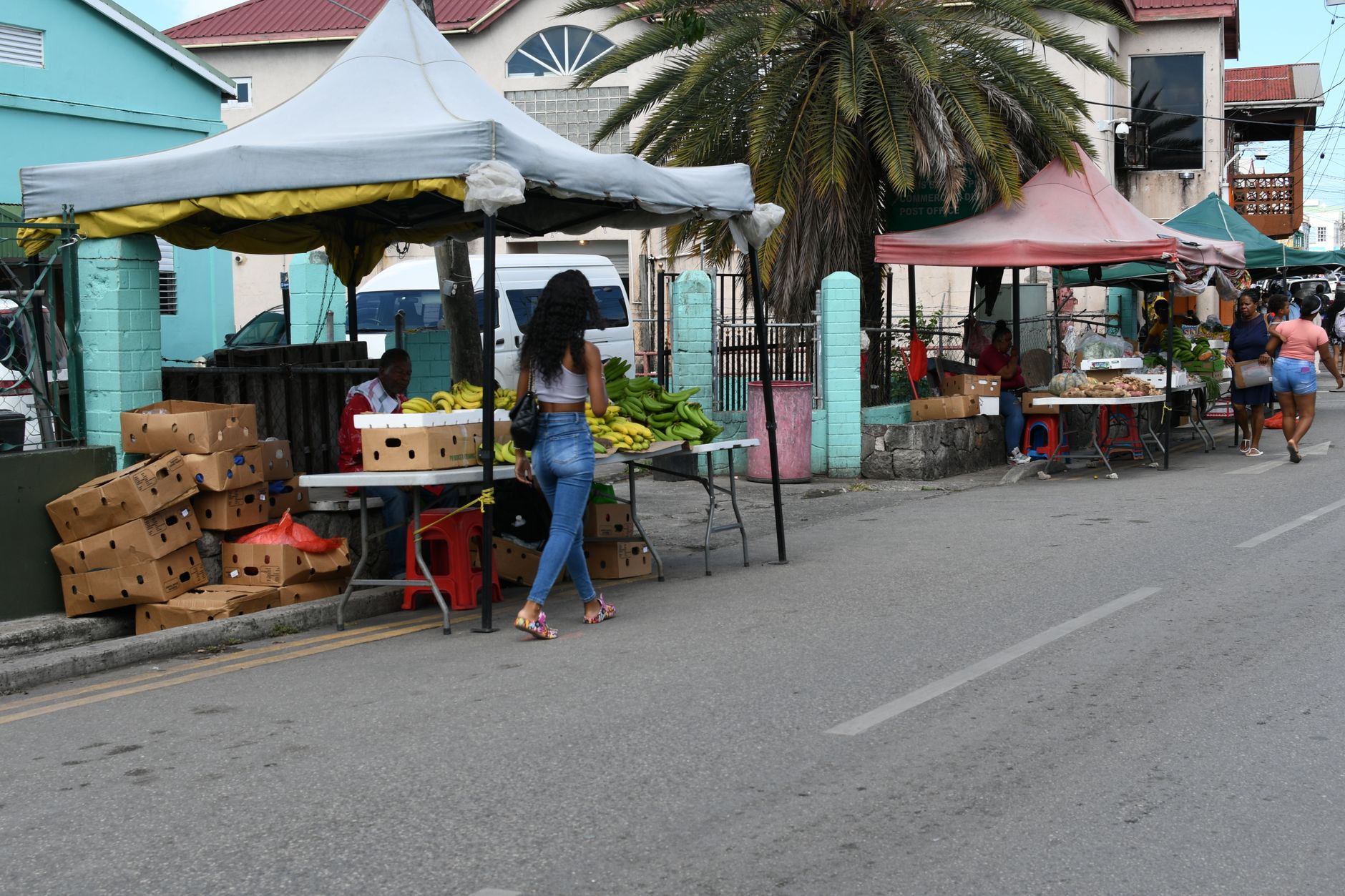
The Cruz Bay Farmer's Market operates on specific days throughout the week. Local farmers bring fresh produce, baked goods, and prepared foods. You'll discover mangoes, papayas, breadfruit, and other tropical fruits in season. This market showcases what St John grows locally.
Beach-side vendors set up near Trunk Bay and other popular swimming areas. These informal markets sell t-shirts, hats, beach wraps, and jewelry. Hours vary with tourist seasons and weather. Many vendors accept cash and credit cards.
Local Food Markets in St John

Fresh produce markets define the food shopping experience in St John. The island imports some items from St Thomas, but local growers produce tropical fruits year-round. You'll find the freshest selections during winter months from December through April.
Papaya, mango, and coconut grow abundantly in St John's tropical climate. The island's rich volcanic soil produces flavorful fruits and vegetables. Local vendors at markets pride themselves on quality and freshness. Many fruits come from family farms operating for generations.
Fish markets operate near the waterfront in Cruz Bay area. Fresh seafood arrives daily from local fishermen. Grouper, snapper, mahi-mahi, and lobster appear regularly in season. Vendors prepare fish for cooking or sell fresh fillets. Ask vendors about daily catches and seasonal specialties.
Island spices transform local cooking into something special and memorable. Nutmeg, cinnamon, turmeric, and local hot pepper sauces fill market stalls. These spices come from neighboring islands or local cultivation. Small bags make perfect souvenirs for home cooking.
PRO TIP: Visit food markets early morning for best selection and lowest prices. Most vendors finish selling by early afternoon, especially on slower days.
Bakeries throughout the island sell fresh bread and pastries daily. Johnny cakes, coconut bread, and Danish pastries appear in most bakeries. Many bakeries open before 7 AM for early shoppers. Prices typically range from affordable to moderate for most items.
Craft and Souvenir Shopping
Local artisans create handmade jewelry that reflects Caribbean style and creativity. You'll find pieces made from local materials like conch shells and sea glass. Artisans often work from small studios and market stalls. Many pieces carry island history and cultural significance.
Woven crafts and textiles showcase traditional skills passed through families. Basket makers create items from palm fronds and other natural materials. These pieces serve both decorative and practical purposes. Prices vary based on size and complexity of the work.
Wooden items including cutting boards, utensils, and art pieces fill many shops. Local carvers use sustainable wood sources from the island. Each piece shows individual craftsmanship and artistic style. These items make excellent kitchen additions or wall decorations.
Artwork by local painters and sculptors fills galleries throughout Cruz Bay. Many artists live and work on the island year-round. Original paintings depict island landscapes, seascapes, and cultural scenes. Smaller prints and postcards offer more affordable art options.
T-shirts and casual wear featuring local designs populate tourist shops. Quality varies from basic screen prints to high-end designer brands. Many feature Virgin Islands flags, tropical designs, or humorous island phrases. Prices range from budget to premium depending on quality and artist.
Photography and prints capturing St John's natural beauty appeal to many visitors. Professional photographers sell their work at markets and galleries. Images showcase beaches, reefs, local wildlife, and sunset scenes. These items ship easily and remind you of the island's beauty.
Where To Buy Local Products

Mongoose Junction remains St John's premier shopping location in Cruz Bay. This collection of connected shops and market stalls occupies several buildings. The wooden boardwalk design encourages browsing and exploring. You'll find shops dedicated to clothing, jewelry, art, and local products.
The Virgin Islands National Park headquarters sells official merchandise and guides. Located in Cruz Bay, this visitor center stocks maps and educational materials. Books about the island's history, marine life, and hiking trails are available. Proceeds support park protection and conservation work.
Small independent shops line the streets of downtown Cruz Bay. These family-run businesses often specialize in specific products. Some focus on jewelry while others emphasize local art or clothing. Walking the streets reveals new shops and vendors regularly.
Resort gift shops cater to hotel guests and offer convenience shopping. Caneel Bay and other resorts stock basic items and upscale souvenirs. Prices tend to be higher than market shopping. These shops stay open extended hours for guests.
Roadside vendors set up near popular beaches and trailheads. These informal shops sell drinks, snacks, and casual souvenirs. Hours depend on seasonal tourism and vendor preference. Most accept cash and increasingly accept card payments.
PRO TIP: Bring reusable bags to markets. Many vendors appreciate this environmental choice and you'll have hands free for browsing and purchases.
Shopping Hours and Tips
Shopping hours in St John vary by location and season. Most shops in Cruz Bay open between 9 AM and 10 AM daily. Closing times typically fall between 5 PM and 6 PM on weekdays. Weekend hours sometimes extend longer during tourist season.
Farmer's markets operate on specific days rather than daily. Tuesday through Sunday mornings are typical market days in Cruz Bay. Afternoon hours rarely see market activity. Always check locally for current schedules as they change seasonally.
Sunday shopping options are limited compared to other days. Many shops reduce hours or close entirely on Sundays. Beaches remain accessible but markets may have reduced vendors. Plan your week accordingly if you arrive on a Sunday.
Tourist season from December through April brings extended shopping hours. More vendors set up during winter months. Shops stay open later to serve increased visitor traffic. Inventory levels rise with better selection during these months.
Hurricane season from June through November sees reduced shopping options. Many vendors and shops reduce hours or close temporarily. Population decreases during this period. Visiting during low season means more limited shopping but fewer crowds.
Bring small bills and coins for market purchases. Many vendors prefer cash for transactions. Credit cards work at larger shops and established businesses. Some small vendors charge extra fees for card payments.
Haggling works at some markets but not at established shops. Vendors at informal markets expect some negotiation on prices. Shops with fixed prices mark items clearly. Respect vendor pricing and remember that handmade items represent skilled labor.
Weather impacts shopping plans significantly on the island. Afternoon rain showers are common but brief. Morning shopping provides the best weather and selection. Indoor markets like Mongoose Junction offer shelter during rain.
What To Buy in St John
Rum represents the classic Caribbean souvenir from St John. Local and regional rum brands are available throughout the island. The island sits in the US Virgin Islands where rum carries special tax status. Bottles ship home easily in luggage with bubble wrap protection.
Hot sauce made from local peppers brings island flavor home. Vendors and shops sell varieties from mild to extremely spicy. Handmade versions from local producers offer authenticity. Small bottles pack easily in carry-on or checked luggage.
Sea salt and local spice blends capture island cooking. These small jars take minimal luggage space. Basil, thyme, and local herb blends flavor your cooking at home. Labels often feature island designs and cultural imagery.
Coffee grown in the Caribbean provides another excellent souvenir. Some beans come from nearby islands like Jamaica. St John doesn't produce coffee but sells quality regional options. Freshly roasted beans stay fresh for weeks after purchase.
Jewelry featuring local stones, shells, and designs reflect Caribbean artistry. Handmade pieces from local artisans carry unique character. Prices vary widely based on materials and artist reputation. Each piece tells a story of the island's creative community.
Woven baskets and woven goods serve practical and decorative purposes. Palm frond and natural fiber baskets hold their shape for years. Small baskets work as catchalls while larger ones provide storage. These items represent traditional island craftsmanship.
Books about the island, Caribbean history, and local culture enrich your knowledge. Field guides to island wildlife and fish identification appeal to nature lovers. Children's books about Caribbean life and characters delight young readers. Local authors often sign copies at markets and shops.
Postcards and local photography remind you of island beauty. Professional-quality prints showcase the island's scenery. These items ship easily and arrive safely. Support local photographers by purchasing their work.
Casual clothing with island designs and logos identify you as an island visitor. Quality ranges from basic to premium brands. Local designers create unique pieces unavailable elsewhere. Consider sizing before purchasing as island sizes vary.
Frequently Asked Questions
What Is the Best Time To Shop for Souvenirs in St John?
The best shopping season runs from December through April when winter weather brings peak tourism. More vendors operate during these months with expanded selection and hours. Hotels and shops staff fully to handle visitor volume. Expect busier markets and higher prices during this period compared to summer months. Off-season shopping in summer offers fewer crowds but limited vendor presence and reduced selection overall.
Can I Use Credit Cards at St John Markets?
Credit cards work at established shops and larger retailers but not consistently at markets and informal vendors. Most farmer's market vendors and street vendors prefer cash payment. Bring US dollars in small denominations for flexibility. Many vendors have accepted mobile payment options increasingly. Call ahead to confirm payment methods at specific shops you plan to visit.
What Should I Pack When Shopping at St John Markets?
Bring reusable shopping bags or a backpack to carry purchases easily. Wear comfortable walking shoes for browsing outdoor markets and shops. Sunscreen and a hat protect you during morning market visits. Cash in small bills simplifies transactions with multiple vendors. A water bottle keeps you hydrated while shopping in warm temperatures. Arrive early before afternoon rain showers begin.
Are There Groceries and General Supplies Available on St John?
Yes, the island has grocery stores and markets selling food and basic supplies. Starfish Market in Cruz Bay serves as the main grocery option. Prices are higher than mainland supermarkets due to shipping costs. Fresh produce and island products appear at daily markets cheaper than stores. Many visitors buy groceries from markets rather than shops. Plan grocery shopping early in the day for best selection and availability.
How Do I Get To Shopping Areas From Beaches and Hotels?
Cruz Bay is the main shopping hub and most accessible from accommodations. Rental cars, taxis, and shuttle services connect hotels to shopping areas. The island spans only 50.8 square kilometers so distances stay short. Walking explores downtown Cruz Bay easily in less than an hour. Mongoose Junction parking fills quickly during peak season so arrive early. Ask hotel staff for current transportation options and directions to specific shops.