Last updated:
Introduction To St John Vacation Planning
St John offers one of the Caribbean's most authentic island experiences. This guide covers everything you need for St John vacation planning. You will find detailed itineraries, budgets, and practical advice for every traveler type.
The island sits in the US Virgin Islands within the Lesser Antilles. St John measures only 50.8 square kilometers, making it intimate and easy to explore. The population of 4,100 keeps the island quiet and relaxed compared to nearby islands.
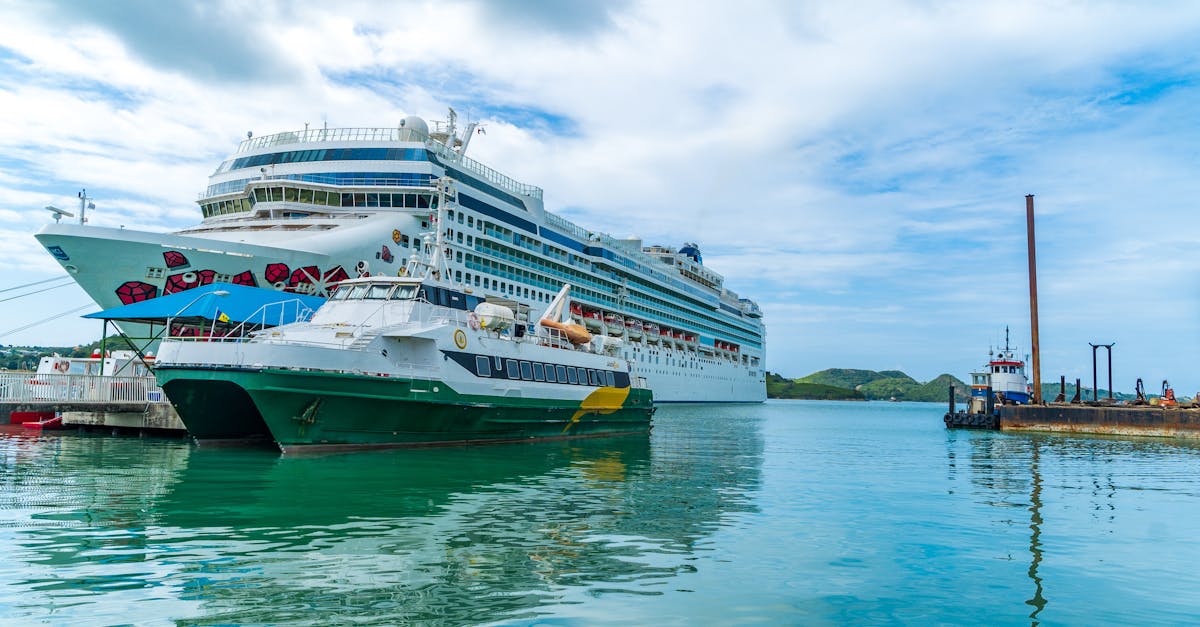
Most visitors fly into Cyril E. King Airport on neighboring St Thomas. From there, you take a ferry to St John's main port at Red Hook. The journey takes about 20 minutes and costs around $6 one way. This short ferry ride marks the beginning of your island adventure.
How Many Days Do You Need in St John

Three days gives you a solid introduction to St John. You can visit two major beaches, enjoy one hike, and explore the main town of Cruz Bay. This timeframe works well for travelers combining St John with other Caribbean islands.
Five days allows deeper exploration. You can visit Trunk Bay, Coral World, Annaberg Sugar Plantation ruins, and multiple hiking trails. You will also have time to relax on less crowded beaches and enjoy island food-dining">dining.
Seven days becomes ideal for families and couples. A full week lets you experience St John without rushing. You can split time between beaches, nature hikes, and cultural sites. You will understand the island's rhythm and find your favorite spots.
Ten days or longer suits serious hikers and nature enthusiasts. You can complete the famous Reef Bay Trail with a guide. You can explore lesser known beaches and truly disconnect from daily life. Extended stays also reduce costs per day through longer rental periods.
PRO TIP: Book your St John vacation during shoulder months (April or May) to avoid crowds. You still get great weather but pay 20 to 30 percent less than peak season rates.
7-Day St John Itinerary
Day 1: Arrival and Exploration
Arrive at Cyril E. King Airport. Take the ferry from Red Hook to St John. Check in at your accommodation in Cruz Bay. Spend your first afternoon walking the Cruz Bay waterfront and grabbing dinner at a local restaurant.
Visit the Virgin Islands National Park Visitor Center near the ferry dock. Park rangers provide free maps and hiking information. The center opens daily at 8 AM and closes at 5 PM. This 20-minute visit orients you to the island's top sites.
Day 2: Trunk Bay and North Shore
Head to Trunk Bay on the north shore. This beach features an underwater snorkel trail marked with plaques. The trail loops 225 meters through coral reefs. Plan two to three hours for snorkeling. Bring reef-safe sunscreen and water shoes.
After snorkeling, explore the Trunk Bay Overlook Trail. This easy one-mile hike takes 45 minutes round trip. The trail climbs gently to views of the bay and neighboring islands. Pack water and wear sturdy shoes for rocky terrain.
Day 3: Coral World and Beaches
Visit Coral World at Coral Reef Underwater Observatory on nearby St Thomas. Take the ferry back to Red Hook, then drive 10 minutes to the park. This facility educates visitors about reef ecosystems. Spend four to five hours exploring the observatory towers and touch pools.
Return to St John for dinner. Visit Cinnamon Bay or Sapphire Beach for sunset viewing. Both beaches have calm water and beautiful scenery.
Day 4: Annaberg Hike and Sugar Plantation
Take the Annaberg Sugar Plantation Trail in the northern part of the island. This moderate 2-mile loop takes 90 minutes. The trail winds through historic plantation ruins dating to the 1700s. You see old sugar works, slave quarters ruins, and native plants.
The trailhead sits near Annaberg Beach. Bring plenty of water as the trail offers no shade. Start early in the morning to avoid afternoon heat. The ruins provide excellent history about St John's colonial past.
Day 5: Coral Reef Underwater Park and Beach Day
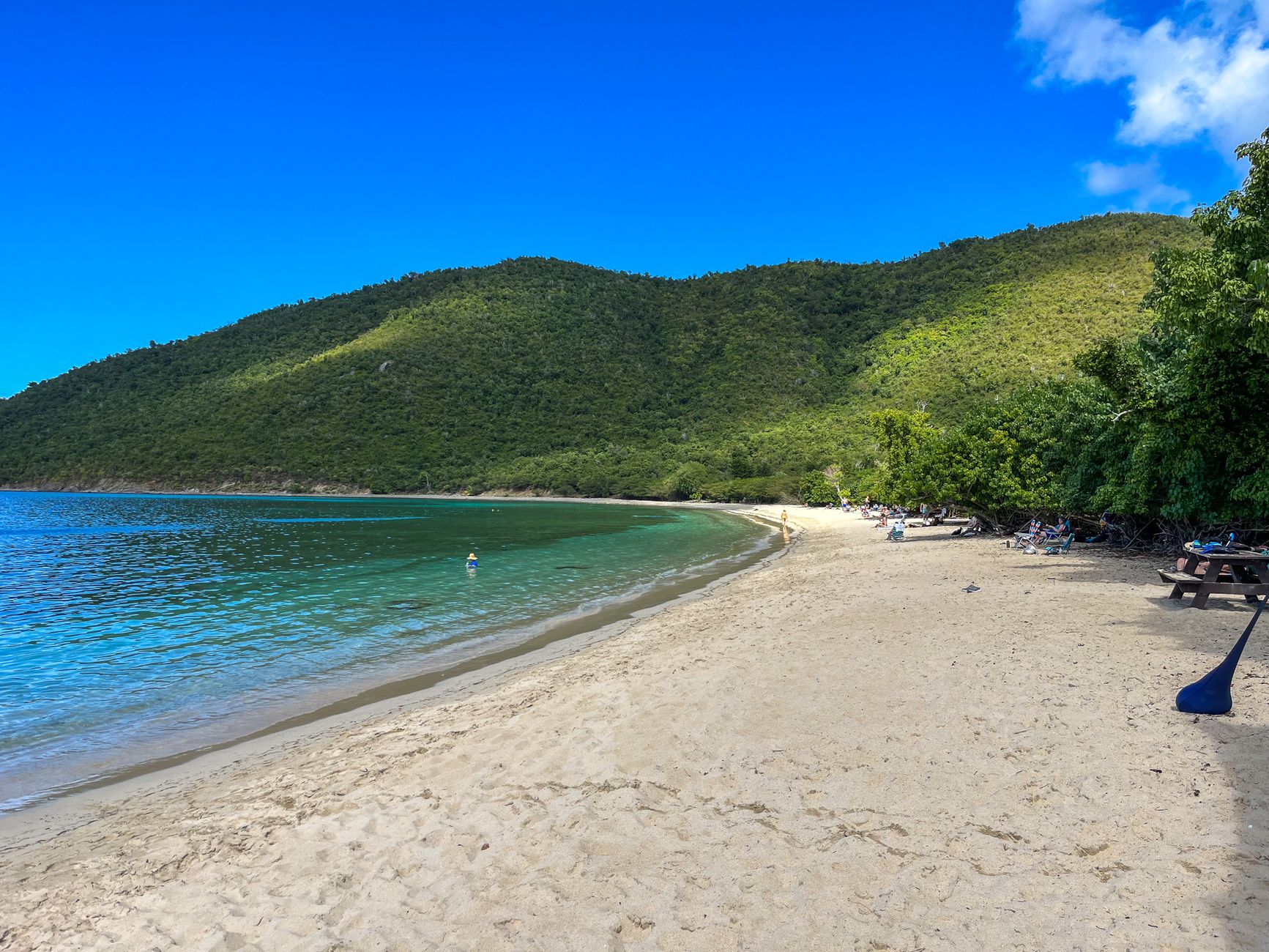
Rest day at the beach. Visit Cinnamon Bay, which has calm waters perfect for families. The bay has water sports rentals including kayaks and paddleboards. Spend the day swimming, relaxing, and enjoying the water.
Cinnamon Bay also offers excellent snorkeling directly from shore. Bring your own snorkel gear or rent from beach vendors. The waters are warm and home to tropical fish year round.
Day 6: Reef Bay Trail Adventure
The famous Reef Bay Trail requires a guide. Book your spot one day before with National Park staff. The trail descends 2.2 miles to the southern coast. The hike takes three to four hours with a guide who explains vegetation and history.
The trail features a historic rum distillery, petroglyphs, and tropical plants. At the trail's end, a boat picks you up and returns you to Cruz Bay. This is the island's most popular hike and worth the advance planning.
Day 7: Relaxation and Departure
Spend your last day at a favorite beach or exploring Cruz Bay shops. Visit the small art galleries and boutiques in town. Stop at Artisan's Corner for local crafts and gifts. Have lunch at a beachfront restaurant overlooking the Caribbean.
Take the evening ferry back to St Thomas. Depart for home with island memories and sunburned skin.
PRO TIP: Reserve the Reef Bay Trail at least two weeks in advance. This popular guided hike fills quickly during peak season. Book through the Virgin Islands National Park Visitor Center.
3-Day St John Itinerary

Day 1: Arrival and Trunk Bay
Arrive and take the ferry to St John. Drop bags at your hotel. Head immediately to Trunk Bay on the north shore. Snorkel the underwater trail for two hours. Grab dinner at a Cruz Bay restaurant.
Day 2: Annaberg and Coral World
Hike the Annaberg Sugar Plantation Trail in the morning. Grab lunch in Cruz Bay. Take the afternoon ferry to St Thomas and visit Coral World. Return to St John for dinner.
Day 3: Cinnamon Bay and Departure
Spend your final morning at Cinnamon Bay swimming and relaxing. Have lunch on the beach. Take the evening ferry back to St Thomas and depart.
St John Vacation Planning: Best Times To Visit
December through May brings the best weather to St John. Temperatures average 28.1°C year round, but humidity and rainfall vary by season. Winter months feel most comfortable with lower humidity and less rain.
December starts the busy season. Holiday travelers fill hotels and beaches. Expect higher prices and crowds. However, weather is excellent and the island celebrates Christmas with local traditions.
January and February peak season. These months see perfect weather and maximum tourism. Hotels reach full occupancy. Plan accommodations four months in advance for these months.
March and April offer good conditions with slightly fewer visitors. Prices drop slightly from peak season. Weather remains dry and sunny. Families often visit during spring break in mid-March.
May marks the shoulder season. Fewer tourists visit, and hotel rates decline. Some afternoon showers occur, but mornings stay clear. Diving is excellent. This month offers the best value for budget travelers.
June through November brings hurricane season. The climate becomes hotter and more humid. Afternoon thunderstorms occur frequently. Many businesses reduce hours or close temporarily. Prices drop significantly, appealing to budget travelers willing to accept weather risk.
PRO TIP: Visit in May or early November for the sweet spot. You avoid crowds and high prices but experience excellent beach weather. Hurricane risk remains low during these shoulder months.
St John Travel Budget Guide
Daily Expenses Breakdown
Budget travelers spend $80 to $150 daily on St John. Mid-range travelers spend $150 to $300 daily. Luxury travelers spend $300 and up.
Budget accommodations cost $60 to $100 per night for guesthouses and budget hotels. Mid-range hotels run $100 to $200 nightly. Luxury resorts exceed $300 per night.
Meals cost $8 to $15 for casual lunch spots. Dinner at mid-range restaurants runs $15 to $30 per person. Fine dining costs $40 and up. Groceries cost 25 to 40 percent more than mainland US prices.
Ferry from St Thomas to St John costs $6 one way or $11 round trip. Car rentals range from $50 to $100 daily depending on vehicle type. Taxis charge higher rates but offer convenient transport.
Money-Saving Strategies
Buy groceries and prepare some meals in your accommodation. This cuts food costs by 50 percent compared to eating all restaurant meals.
Visit beaches near your hotel to avoid car rental and taxi costs. Many excellent beaches are accessible by foot or short walks.
Book hotels in shoulder season (April, May) for 20 to 30 percent discounts. Advance booking two months ahead saves money year round.
Use the free Virgin Islands National Park beaches and trails. Many excellent beaches require no entrance fee. Snorkeling from shores costs nothing.
Walk Cruz Bay town instead of using taxis. The downtown area is compact and pedestrian friendly. You will discover local restaurants and shops.
Best Time To Book Your St John Trip
Book your St John vacation 8 to 12 weeks in advance for best rates. Hotels typically release discounts 90 days before arrival dates. This timing captures promotional pricing before peak demand.
For peak season travel (December through February), book 4 to 6 months ahead. This ensures hotel availability and better room selection. Popular resorts book full 5 to 6 months in advance.
Shoulder season travel (March through May, November) requires less advance planning. Book 6 to 8 weeks ahead for good rates. Availability remains strong closer to travel dates.
Hurricane season travel (June through October) allows booking 4 to 6 weeks in advance. Prices drop significantly during this period. Last-minute deals appear frequently as travel dates approach.
Tuesday through Thursday departures often cost less than weekend flights. Flying midweek and staying 5 to 7 days maximizes value. Avoid major holidays for better pricing and fewer crowds.
Monitor airline prices starting 2 to 3 months before your desired travel dates. Set price alerts on travel websites. Book flights when prices dip below your target price.
PRO TIP: Book ferry tickets to St John only after confirming your arrival at St Thomas airport. Weather or flight delays may change your ferry timing. Most ferries allow free rebooking.
Packing List for St John

Beach and Water Items
- Reef-safe sunscreen (SPF 30 minimum)
- Rash guard or swim shirt for UV protection
- Snorkel gear (mask, snorkel, fins)
- Water shoes or reef shoes
- Beach towel
- Waterproof bag for electronics
- Light cover-up shirt
Clothing
- 5 to 7 lightweight t-shirts or tank tops
- 2 to 3 pairs shorts
- 1 to 2 pairs pants or capris
- Light cardigan or sweater for air conditioned spaces
- Casual dinner outfit
- Comfortable walking shoes
- Hiking boots (if planning trail hikes)
- Lightweight rain jacket
- Underwear and socks
- Hat or visor
- Sunglasses
Health and Safety
- Prescription medications (bring extra supply)
- Insect repellent containing DEET
- Pain reliever (ibuprofen or acetaminophen)
- Antihistamine for allergies
- Anti-diarrheal medication
- Motion sickness medication
- First aid kit
- Aloe vera gel for sunburns
- Lip balm with SPF
Electronics and Documents
- Passport or US ID
- Travel insurance documents
- Hotel confirmations
- Phone and charger
- Camera
- Universal power adapter (US outlets)
- Portable phone charger
Miscellaneous Items
- Reusable water bottle
- Lightweight day pack
- Toiletries
- Cash and credit cards
- Small notebook and pen
St John Vacation Planning: Practical Information
St John uses US dollars as currency. US citizens need only a valid ID for entry. International visitors must check US entry requirements including possible ESTA or visa requirements. Many nationalities enter visa free but must follow US immigration policy.
The island operates on America/St_Thomas timezone, which is Atlantic Time (UTC-4). English is the primary language throughout the island. Locals are friendly and accustomed to tourists.
Cell phone service works well on St John despite the small population. Major US carriers provide coverage. Purchase a local SIM card for cheaper rates if staying longer than a week.
Tap water is safe to drink throughout the island. Bring a reusable water bottle and refill at your accommodation. This saves money and reduces plastic waste.
Taxis operate without meters. Agree on prices before entering. Rental cars cost $50 to $100 daily. Drive on the left side of the road, a leftover from British influence.
PRO TIP: Rent a car for 1 to 2 days to explore beaches across the island. Other days, walk or use taxis from your Cruz Bay base to save money and hassle.
Frequently Asked Questions About St John Vacation Planning

Do I Need a Passport To Visit St John?
US citizens need a valid government-issued ID like a driver's license or passport card. A full passport is not required for US citizens. International visitors should bring a valid passport. Check with the US State Department regarding visa requirements for your nationality. Many countries have visa-free entry to the US Virgin Islands but must follow standard US immigration procedures. Some nationals need an ESTA (Electronic System for Travel Authorization) before arrival.
What Is the Best Beach for Families on St John?
Cinnamon Bay offers the best conditions for families. The water stays calm and shallow near shore. Beach facilities include bathrooms, food vendors, and water sports rentals. Trunk Bay also works well for families with calm snorkeling conditions. Sapphire Beach provides excellent swimming and less crowding than Trunk Bay. All three beaches have soft sand and protected coves suitable for children and inexperienced swimmers.
Can I Visit St John Without a Rental Car?
Yes, you can visit St John without renting a car. Ferry service connects St John to neighboring St Thomas where additional transportation exists. Taxis operate throughout St John but cost more than car rentals. Walking works well in Cruz Bay town. Many beaches are accessible by short walks from the ferry dock. Plan your itinerary around walkable locations to avoid transportation costs. Budget travelers often rely on walking and occasional taxi rides.
What Is the Cheapest Time To Visit St John?
June through October offers the cheapest rates on St John. Hurricane season brings 30 to 50 percent discounts on hotels and flights. May and November represent the shoulder season with moderate discounts of 20 to 30 percent. These months still have excellent weather and lower prices than peak season. Visiting midweek (Tuesday through Thursday) saves money compared to weekends year round. Book accommodations with flexible cancellation policies during hurricane season.
Is St John Safe for Solo Travelers?
St John is generally safe for solo travelers. The small population of 4,100 creates a close-knit community. Tourists frequent the main beaches and hiking trails regularly. Cruz Bay town remains busy and populated during the day. Exercise normal travel precautions including not displaying expensive items and avoiding isolated areas at night. Solo female travelers report feeling safe on the island. Join group tours or hiking activities to meet other travelers and reduce isolation.