Last updated:
St John Food &Amp; Dining Overview
St John offers authentic Caribbean cuisine and international dining experiences. The island has just 4,100 residents, so dining here feels personal and genuine. You will find family-owned restaurants that serve recipes passed down for generations. Fresh seafood dominates most menus because fishermen bring daily catches to local markets.
St John food dining reflects the island's cultural heritage and natural bounty. Most restaurants sit near beaches or in historic town centers. Chefs here use local ingredients whenever possible. The island sits at coordinates 18.34, -64.74 in the Lesser Antilles. Getting to restaurants is easy since the island covers only 50.8 km².
You will eat like locals if you visit small family spots. These establishments often close by 9 PM. Bring cash because many places do not accept credit cards. The best dining months are December through May when weather stays perfect and tourists arrive.
Local Food in St John You Must Try
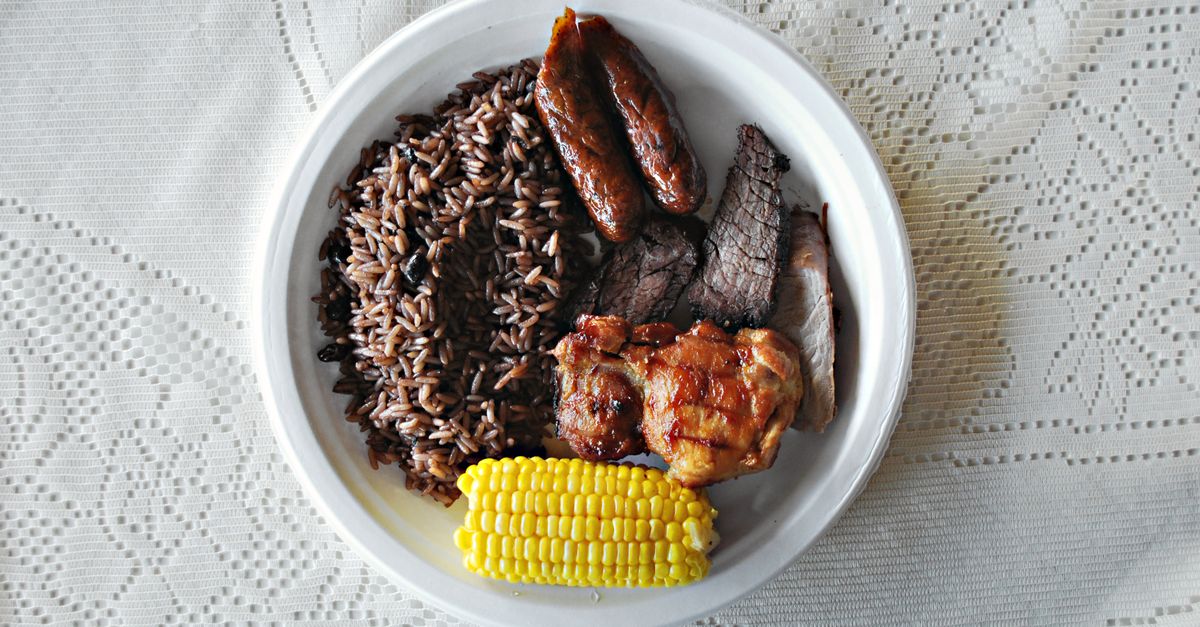
Conch salad represents St John's most iconic dish. Fishermen dive for conchs in nearby waters. The raw conch meat gets mixed with lime juice, onions, peppers, and tomatoes. Many consider it the best seafood appetizer in the Caribbean. You must try it fresh on the same day it was caught.
Callaloo soup appears on nearly every local menu. This traditional dish uses leafy greens, okra, and sometimes seafood or meat. Locals eat it for breakfast, lunch, or dinner. The warm broth comforts you after a long beach day. Every cook adds their own special seasonings and ingredients.
Johnny cakes are fried cornmeal cakes that taste slightly sweet. Street vendors sell them for breakfast or snacks. They pair perfectly with salt fish or fresh fruit. You will find them warm and crispy at local markets. Many families make them at home using recipes from their ancestors.
Goat stew shows up frequently at family gatherings and restaurants. The meat simmers for hours with potatoes, carrots, and spices. This warming dish tastes best during cooler evenings. Island cooks use goat meat because it stays tender when slow cooked. The stew becomes more flavorful the next day.
Saltfish and fungi is a breakfast staple throughout St John. Fungi is a polenta-like side made from cornmeal and okra. Salted cod gets rehydrated and cooked with onions and spices. This combination provides energy for a full day of activities. You will find it served in nearly every local restaurant for breakfast.
Rotis are flatbread wraps filled with curried chickpeas or meat. Indian immigrants brought this dish to the Caribbean centuries ago. Each roti gets made fresh to order. The bread tears easily so you can grab filling inside. They make perfect lunch food while exploring the island.
Mofongo appears on St John menus as a Puerto Rican influenced dish. Mashed plantains form the base with garlic, herbs, and oil. Locals serve it alongside stewed meat or seafood. The starchy plantains provide comfort and satisfaction. Many restaurants put their own twist on this traditional recipe.
Fruits and Vegetables
Tropical fruits grow naturally throughout St John. You will find mangoes, papayas, soursops, and guavas at local markets. These fruits taste far better than imported versions. Many restaurants use fresh island fruits in desserts and drinks. Buy them directly from vendors to get the ripest options.
Dasheen is a starchy root vegetable that locals eat regularly. It tastes similar to potato but slightly more nutty. Cooks boil, fry, or mash it for different dishes. Many soup recipes include chunks of dasheen. You can buy it fresh at any market on the island.
Seafood Specialties
Lobster season brings excitement to St John food dining from October through March. Local fishermen catch spiny lobsters in nearby waters. Restaurants prepare them grilled, steamed, or in pasta dishes. The meat is sweet and tender when cooked fresh. Expect to pay more during peak season than other times.
Fish cakes are fried cornmeal and fish balls sold everywhere. Vendors fry them golden brown and serve with spicy sauce. They cost just a few dollars each. You can eat them as snacks or full meals. Many stands make batches fresh throughout the day.
PRO TIP: Visit local markets early in the morning between 6 AM and 8 AM. You will find the freshest seafood and produce at these hours. Fishermen deliver catches at dawn, so selection is best then.
Best Restaurants in St John
Skinny Legs Bar and Grill sits in Coral World and serves American food with island flair. The restaurant overlooks the water and offers fresh seafood daily. Burgers and sandwiches satisfy those wanting familiar comfort food. Locals mix with tourists here creating a friendly atmosphere. The bartenders make strong drinks using quality rum brands.
Aqua Bistro operates in Cruz Bay near the ferry dock. This restaurant focuses on fresh seafood and creative preparations. Chefs change the menu seasonally based on what local fishermen catch. The setting feels upscale but remains relaxed and casual. Reservations help during peak season months.
The Sun Dog Cafe offers breakfast and lunch with ocean views. Their coffee ranks among the best on the island. Pastries arrive fresh daily from local bakers. The menu includes wraps, salads, and sandwiches made with local ingredients. Arrive early because they close by 4 PM most days.
Lime Inn serves Caribbean cuisine in a historic stone building. The restaurant occupies a space that dates back centuries. Menu items feature traditional island recipes and fresh seafood. The bartender creates tropical drinks using local rum. Many visitors return here multiple times during their stay.
Morgan's Mango restaurant celebrates local culture through food and decor. The dining room features colorful artwork from island artists. Fresh mango appears in many dishes both sweet and savory. The service staff knows island history and shares stories while you eat. This spot feels authentic and genuinely welcoming.
Vie's Snack Shack operates as a casual beachside restaurant. The owner Vie greets regular customers by name. Fresh grilled fish arrives daily from local boats. Sides include rice, beans, and seasonal vegetables. Prices remain affordable and portions are generous. Cash payments work best here.
Dining in Different Areas
Cruz Bay contains most of St John's restaurants and shops. The town sits on the western shore and welcomes ferries from St Thomas. Walking around Cruz Bay takes less than 30 minutes. You will find everything from fine dining to street food here. The waterfront area has several restaurant patios overlooking sailboats.
Coral World has fewer restaurants but they focus on quality over quantity. This quieter area sits on the northern coast. Drive here for a more peaceful dining experience. Several beach bars serve simple food and tropical drinks. Snorkeling and diving sites are close by if you want water activities.
Trunk Bay offers restaurants near the famous underwater snorkel trail. This northern beach attracts many tourists seeking protected park waters. A few casual eateries serve lunch and drinks. Most people bring picnic food instead since options are limited. The beach itself provides the real attraction here.
PRO TIP: Make reservations in advance during December through April. Popular restaurants fill up quickly during these peak months. Call ahead or ask your hotel to book a table. This saves time and guarantees you get a spot.
Fine Dining in St John
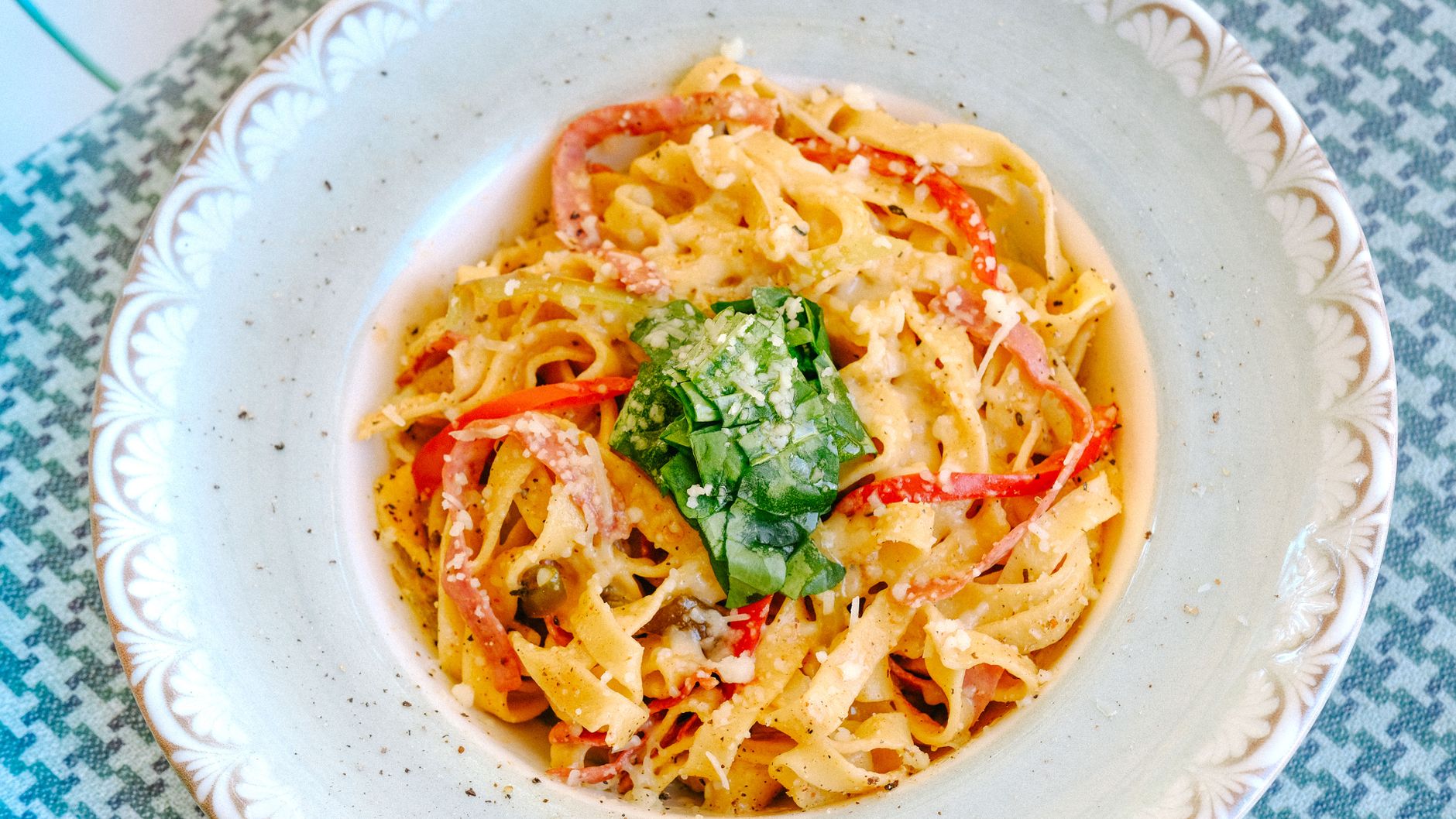
Zozo's Ristorante brings Italian fine dining to St John. The chef creates fresh pasta daily using imported and local ingredients. The wine list features selections from across Italy and California. Candlelit tables create romantic atmosphere for special celebrations. Reservations are essential because seating remains limited. This restaurant ranks as one of St John's most elegant options.
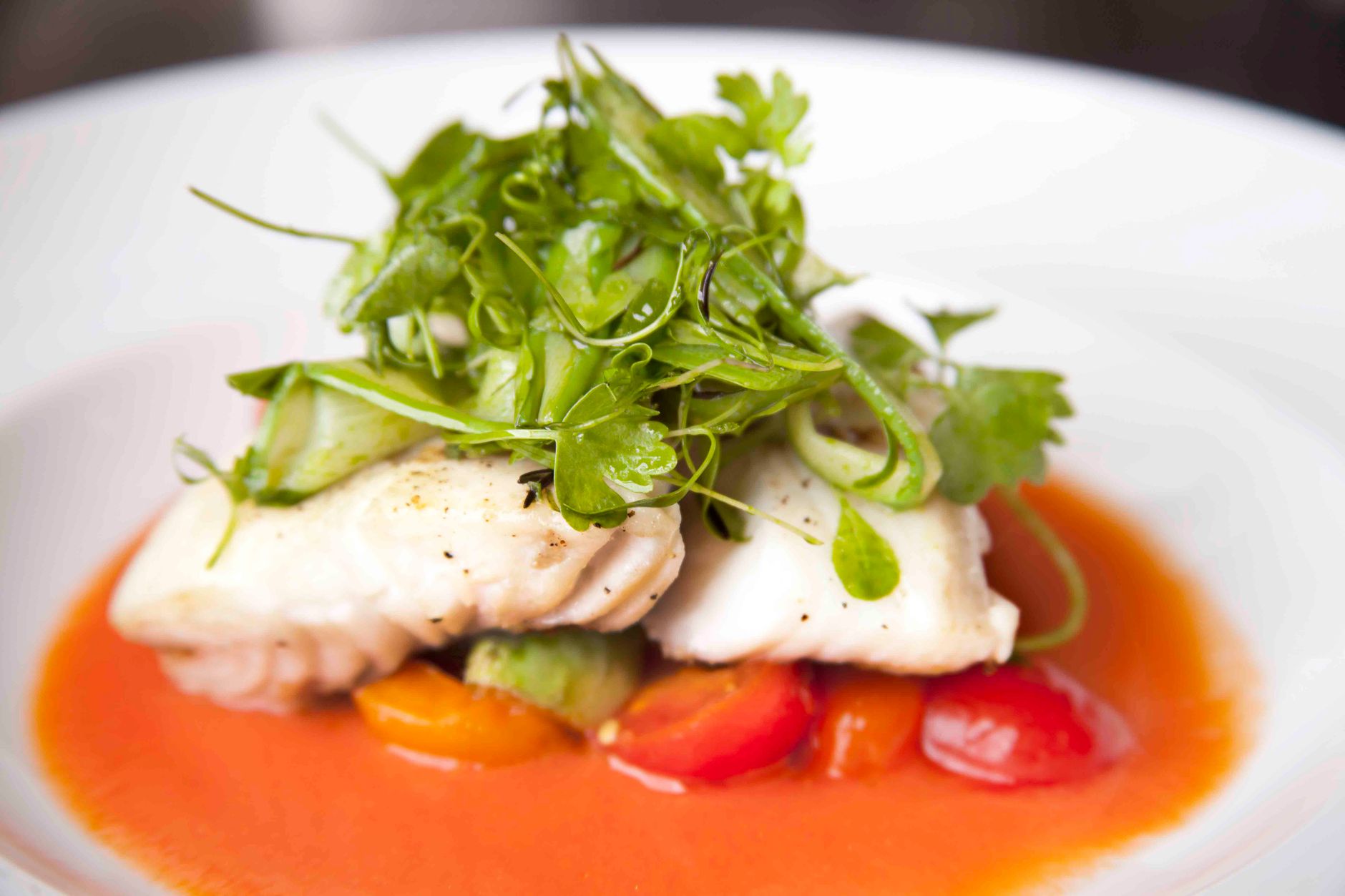
The Longboat provides waterfront fine dining with Caribbean and international cuisine. Floor to ceiling windows frame sunset views over the water. The menu changes seasonally based on ingredient availability. Chefs plate dishes with artistic attention to detail. The service staff receives training in fine dining etiquette.
Estate Lindholm restaurant operates within a historic plantation home. The setting feels romantic with gentle lighting and thoughtful decor. Local seafood and produce inspire the menu creations. Chefs balance traditional island flavors with modern cooking techniques. This venue also hosts weddings and special private events.
Coral World Bistro offers upscale dining with casual island vibes. The chef sources ingredients from local fishermen and farmers. Daily specials showcase what is fresh and available. The bar stocks premium rum selections and craft cocktails. Open-air seating keeps the atmosphere breezy and relaxed despite fancy food.
Special Dining Experiences
Beach picnics create memorable meals on St John's white sand shores. Contact restaurants ahead to arrange prepared food and ice. Pack items in coolers and head to less crowded beaches. Trunk Bay and Coral World beaches offer facilities like picnic tables. Bring sunscreen and stay hydrated during your outdoor meal.
Sunset dinners on private patios maximize island romance. Many restaurants offer tables overlooking the water during evening hours. The sky displays brilliant oranges, reds, and purples as sun descends. Plan your meal timing to catch the sunset. Camera ready moments happen nightly between 5 and 7 PM depending on season.
Cooking classes with local chefs teach traditional island recipes. You learn to prepare callaloo, curries, and fresh seafood dishes. Classes typically last three to four hours including meal preparation and eating. These experiences provide memories beyond just dining. Contact your hotel for information about available classes in your travel dates.
Budget Eating in St John
Food trucks and casual spots serve delicious meals for under ten dollars. Many operate near Cruz Bay waterfront during lunch hours. Try rotis, fish cakes, or johnny cakes for quick affordable eats. Quality remains high despite lower prices. You will see locals eating at these same spots every day.
Picnic supplies from local grocery stores help stretch your food budget. Buy fresh fruit, cheese, bread, and prepared foods for meals. Starfish Market and other stores stock both local and imported items. Eating some meals outside restaurants saves significant money. Many beaches have picnic areas with tables and shade structures.
Happy hours at bars often include free appetizers with drink purchases. Many restaurants offer reduced prices on drinks during late afternoon hours. Appetizers like conch salad and fish cakes come free with orders. This provides affordable ways to sample multiple dishes. Check with restaurants about specific happy hour times.
Breakfast at local cafes costs less than dinner at the same restaurant. Eggs, toast, fruit, and coffee run only a few dollars. Start your day with a big breakfast then eat light lunch and dinner. This strategy helps manage both budget and energy levels. Many cafes open by 6 AM for early risers.
Cook at your rental villa or apartment if staying multiple nights. Visit markets early for best prices and selection. Prepare simple meals using fresh local ingredients. Save restaurants for special occasions or meals you cannot easily prepare. Many rentals include full kitchen facilities for this purpose.
Grocery stores on St John carry most items you need for basic cooking. Prices run higher than mainland US but lower than tourist restaurants. Look for locally grown items which cost less than imported products. Shop at multiple stores to compare prices on main items.
Value Meals and Specials
Daily specials at restaurants change based on what ingredients fishermen bring in. Ask servers what the chef recommends as today's special. These dishes often provide better value than standard menu items. Specials showcase the freshest available ingredients. Prices typically run lower than comparable regular menu dishes.
Lunch menus offer smaller portions and lower prices than dinner at many places. Visit restaurants between noon and 2 PM for lunch service. The same kitchen serves both lunch and dinner items. Quality remains identical but lunch portions satisfy most appetites. This timing also avoids dinner crowds and wait times.
PRO TIP: Bring reusable bags to local markets. You will find better prices and fresher produce at farmer's markets than tourist restaurants. Chat with vendors who often give free samples and tips on preparation.
Street Food and Local Markets
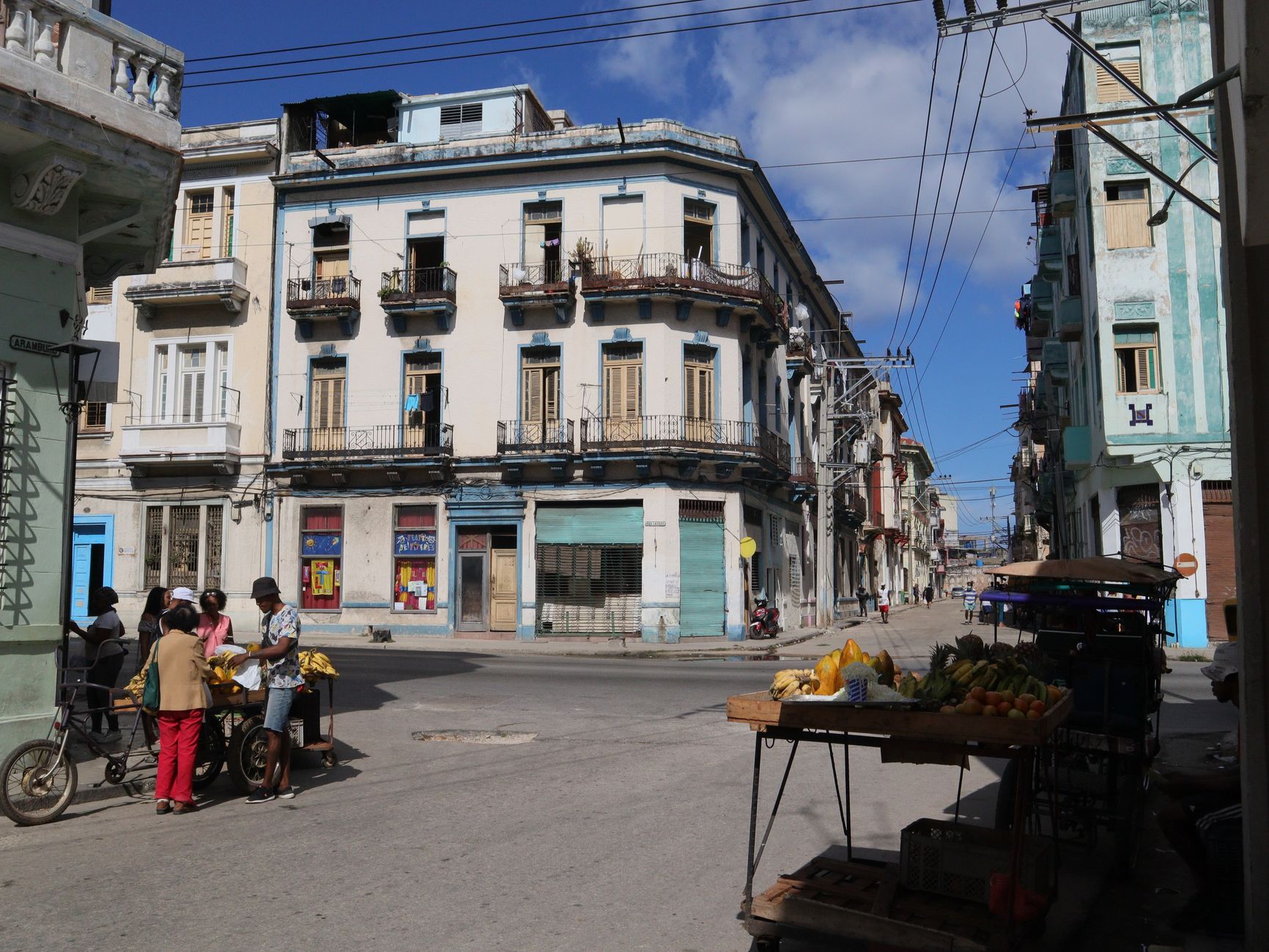
Cruz Bay Saturday Market opens early morning with local vendors. Farmers bring fresh produce directly from their gardens. Fishermen sell daily catches that arrived just hours earlier. Food stands serve prepared breakfast items and snacks. Arrive by 7 AM to get the best selection before crowds arrive.
Fish cakes from street vendors cost just a few dollars each. These fried balls of fish and cornmeal satisfy hunger quickly. Vendors add hot sauce on the side for those wanting spice. Many people grab several as snacks throughout the day. The best ones have fluffy insides with crispy golden exteriors.
Johnny cakes appear at multiple street locations during breakfast hours. Vendors fry them fresh in small batches throughout morning. The sweet cornmeal cakes taste best eaten warm. Some vendors offer savory versions with salt and spices. These portable snacks travel well for beach or hiking days.
Roti stands operate near ferry terminals and shopping areas. Vendors fill flatbread wraps with spiced chickpeas or meat. Watch them make the dough and fill each one individually. The bread tears easily for eating on the go. Prices remain low even for generous portions with multiple fillings.
Fresh juice stands squeeze tropical fruits to order. Mango, papaya, soursop, and passion fruit drinks refresh you quickly. These natural juices contain no added sugar or preservatives. Cost runs about three dollars for a large cup. Sip them fresh while exploring the island.
Conch salad vendors set up near beaches during tourist season. The raw conch meat combines with lime, onions, peppers, and tomatoes. Vendors prepare it fresh to your preferences and spice level. Eating it within minutes of preparation ensures the best taste. This iconic dish costs around eight to twelve dollars per serving.
Local Market Shopping Tips
Bring cash because many vendors do not accept cards. Markets operate mostly in morning hours before midday heat. Haggling works sometimes but shops have set prices for most items. Ask vendors for recommendations on ripeness and preparation methods. Build relationships with regular vendors for potential discounts.
Buy produce early in the week for best selection. Wednesday and Saturday usually bring the most abundant supplies. Weekends attract more tourists which can affect availability. Local shoppers know the best days for specific items. Ask residents where they buy their favorite fruits and vegetables.
Taste samples before buying when vendors offer them. This helps you pick ripe fruit at perfect eating stage. Know which fruits should feel soft and which should feel firm. Markets display items by ripeness so you can choose based on when you plan to eat them.
Food Allergies and Dietary Needs
Inform restaurants about allergies before ordering any food. Many kitchens handle similar ingredients so cross contamination is possible. Staff can direct you to safe menu items or prepare modifications. Written allergy cards in your language help communicate clearly. Travel with your own translator app if English is not your first language.
Vegetarian and vegan options exist at most restaurants though limited. Many island dishes center on fish and meat by tradition. Restaurants can usually prepare plant-based meals with advance notice. Ask about beans, rice, vegetables, and fruit options. Grocery stores stock imported vegan products at higher prices.
Gluten free dining requires careful communication at casual spots. Some restaurants understand celiac disease while others may not. Fine dining establishments prove more accommodating overall. Breakfast items like eggs and fruit work safely for gluten free diets. Always ask about preparation methods and sauces which may contain gluten.
Dairy-free options include fresh fruit, salads, grilled fish, and rice dishes. Many restaurants use coconut milk in traditional Caribbean cooking. Ask chefs to prepare sauces without cream or cheese. Grocery stores carry dairy alternatives like coconut and almond milk. Bring supplements if you follow strict dietary requirements.
Nut allergies demand detailed conversation with restaurant staff. Many Caribbean dishes use coconut oil and peanuts. Kitchen staff must understand the severity of your allergy. Ask about preparation surfaces and potential cross contamination. Safer options include simple grilled proteins and fresh vegetables.
Frequently Asked Questions

What Are the Most Authentic Local Dishes I Must Try in St John?
Conch salad represents St John's most iconic dish featuring fresh raw conch mixed with lime, onions, and tomatoes. Callaloo soup uses leafy greens and okra in a warming broth. Saltfish and fungi combines rehydrated salt cod with polenta-like cornmeal. Johnny cakes are fried cornmeal cakes that work as breakfast or snacks. Goat stew simmers for hours creating tender meat with potatoes and spices. Try all five dishes during your visit to experience true island flavors.
Do I Need To Make Restaurant Reservations in Advance?
Reservations are strongly recommended during peak season from December through April. Popular restaurants fill quickly, especially for dinner service. Many smaller establishments do not take reservations so first-come first-served applies. Call ahead or ask your hotel to book tables for special occasions. Lunch service generally accommodates walk-ins better than dinner. Budget restaurants and street food vendors never require reservations.
What Is the Average Restaurant Price Range in St John?
Budget meals from street vendors and casual spots cost three to eight dollars. Mid-range restaurants charge twelve to twenty five dollars per entree. Fine dining establishments run thirty to sixty dollars per person before drinks. Happy hours offer appetizers and drinks at reduced prices. Grocery store meals prepared at your rental cost less than any restaurant option.
Are There Vegetarian and Vegan Restaurant Options Available?
Most restaurants offer limited vegetarian options focusing on fish and meat. Salads, rice dishes, and grilled vegetables appear on most menus. Roti wraps with chickpeas provide filling vegetarian meals. Grocery stores stock beans, rice, and fresh produce for cooking yourself. Upscale restaurants accommodate vegetarian requests with advance notice. Vegan options remain scarce outside of prepared grocery items.
What Is the Best Time To Visit Local Food Markets?
Visit markets early between 6 AM and 8 AM for the freshest selections. Fishermen deliver morning catches at dawn making seafood most abundant then. Farmers bring produce directly from gardens early in the day. Saturday mornings draw the most vendors and activity. Afternoon shopping finds picked over selections and limited choices. Bring cash and reusable bags for the best market experience.