
Last updated:
Understanding St John Parking &Amp; Transport
St John is a small island with just 4,100 residents. Getting around requires planning and flexibility. This island spans only 50.8 square kilometers, so distances are short. However, terrain is hilly and roads wind through dense vegetation.
Most visitors fly into St Thomas first. You'll need to take a ferry to St John. The ferry journey takes about 20 minutes from Red Hook terminal. St John parking transport options are limited compared to larger islands. You should book car rentals ahead of time during peak season.
The island has no public buses in the traditional sense. Taxis operate on the island but they're expensive for frequent trips. Many travelers rent cars, scooters, or use taxis strategically. Budget-conscious visitors often walk in town areas or use ride services.
Car Rental in St John
Renting a car gives you freedom to explore St John independently. The island has several car rental agencies operating from the ferry terminal and nearby areas. You'll need a valid US driver's license or international driving permit. You must be at least 25 years old (some companies allow 21 with extra fees).
Book your rental car before arriving on the island if possible. Peak season (December through April) sees high demand. Prices fluctuate significantly based on season and vehicle type. Compact cars work well for St John's narrow roads. SUVs and larger vehicles struggle on tight mountain roads.
The rental agreement includes local insurance requirements. Most companies include liability coverage in their rates. You pay for fuel, parking fees, and any damage beyond normal wear. Gas stations exist on the island but fill up on St Thomas first for better prices.
Driving on the left side of the road takes adjustment for US visitors. Roads are narrow, winding, and steep in many areas. Speed limits are generally 15 to 25 mph in residential areas. Watch for sharp curves, especially on mountain roads. Tourists commonly overestimate their driving speed on these roads.
PRO TIP: Pick up your rental car late in the afternoon on arrival day. This saves you a full day's rental charge. Return it early the next morning. For just one or two days, renting isn't always worth it. Use taxis or shuttles instead for short stays.
Taxis in St John
Taxis operate throughout St John but they're regulated and fixed routes don't exist. You'll find taxis at the ferry terminal and main towns. Call ahead rather than flag down cabs on the street. Many taxi drivers work irregular schedules.
Taxis charge per person, not per vehicle. A trip from the ferry terminal to Coral World costs approximately $5 to $7 per person. Longer journeys to remote beaches cost $10 to $15 per person. Groups can share taxis to split costs. Always confirm the price before getting in.
Most taxi drivers know the island well and offer excellent recommendations. They can suggest food-restaurants, beaches, and attractions. Some drivers offer full-day tours at negotiated rates. This works well for travelers wanting a personalized experience.
Taxi services operate seven days a week. Availability decreases after sunset. Late evening rides become harder to find and cost more. Book taxis through your hotel or call ahead for evening transport. Some taxis accept credit cards but cash is safer.
Public Transport Options

St John lacks a traditional public bus system like many Caribbean islands. The island relies on privately operated shuttle services and shared taxis. These aren't formal public transport but they function similarly.
Shared taxi vans operate on loose routes but stop anywhere passengers request. They cost less than private taxis but take longer. You'll share the ride with locals and other visitors. This method offers genuine cultural interaction.
The ferry service connects St John to St Thomas and Water Island. Ferries run multiple times daily. A ferry ticket costs about $4 to $5 one way. Ferry schedules change seasonally. Check current schedules before planning your island-hopping.
Some resorts offer complimentary shuttle services to specific locations. Ask your hotel about available shuttles. Villa rentals sometimes include transportation arrangements. The Coral World Ocean Park offers complimentary shuttle service from some hotels.
Walking is viable in town areas like Cruz Bay. The main village is compact and pedestrian friendly. Sidewalks exist but aren't continuous. Watch for traffic when walking along roads. Beaches near Cruz Bay are walkable from town.
PRO TIP: Ask locals about shared taxi routes. They'll direct you to pickup spots and explain payment. This insider knowledge saves money and time. Friendly conversations with residents yield better tips than guidebooks provide.
Getting Around St John on a Budget
St John is expensive compared to other Caribbean destinations. However, smart St John parking transport choices reduce overall costs significantly. Avoiding car rentals saves hundreds of dollars weekly. Strategic taxi use and walking minimize transport expenses.
Walking within Cruz Bay covers most town attractions and restaurants. The town center is compact. Many beaches are accessible on foot or short walks. Trunk Bay is walkable from town, though it requires uphill climbing.
Stay in Cruz Bay or nearby areas to minimize transport needs. This reduces reliance on taxis and car rentals. You'll walk to restaurants, shops, and beaches easily. Waterfront locations offer spectacular views and access.
Share taxi vans with other travelers when possible. Ask your hotel staff where shared taxis wait. These cost 50 to 75 percent less than private taxis. The inconvenience of shared rides pays off through savings.
Scooters and bikes offer budget transport for short distances. Rental costs run $25 to $40 daily for scooters. Bikes cost $10 to $20 daily. These work for exploring nearby areas and beaches. However, St John's hills make scooters challenging for some riders.
Visit beaches and attractions within walking distance first. Save distant locations for rental car days. Concentrate activities to minimize transport trips. Planning activities by location reduces overall travel costs.
Driving in St John: What To Know

Driving requires adjustment when you arrive on St John. The island drives on the left side of the road. Road surfaces vary dramatically. Some roads are smooth and modern. Others are potholed, narrow, and steep.
Speed limits range from 15 to 25 mph in towns and villages. Outside populated areas, limits reach 35 to 45 mph. Most drivers exceed limits during off hours. Local drivers navigate quickly and confidently despite road conditions. Don't match their speed.
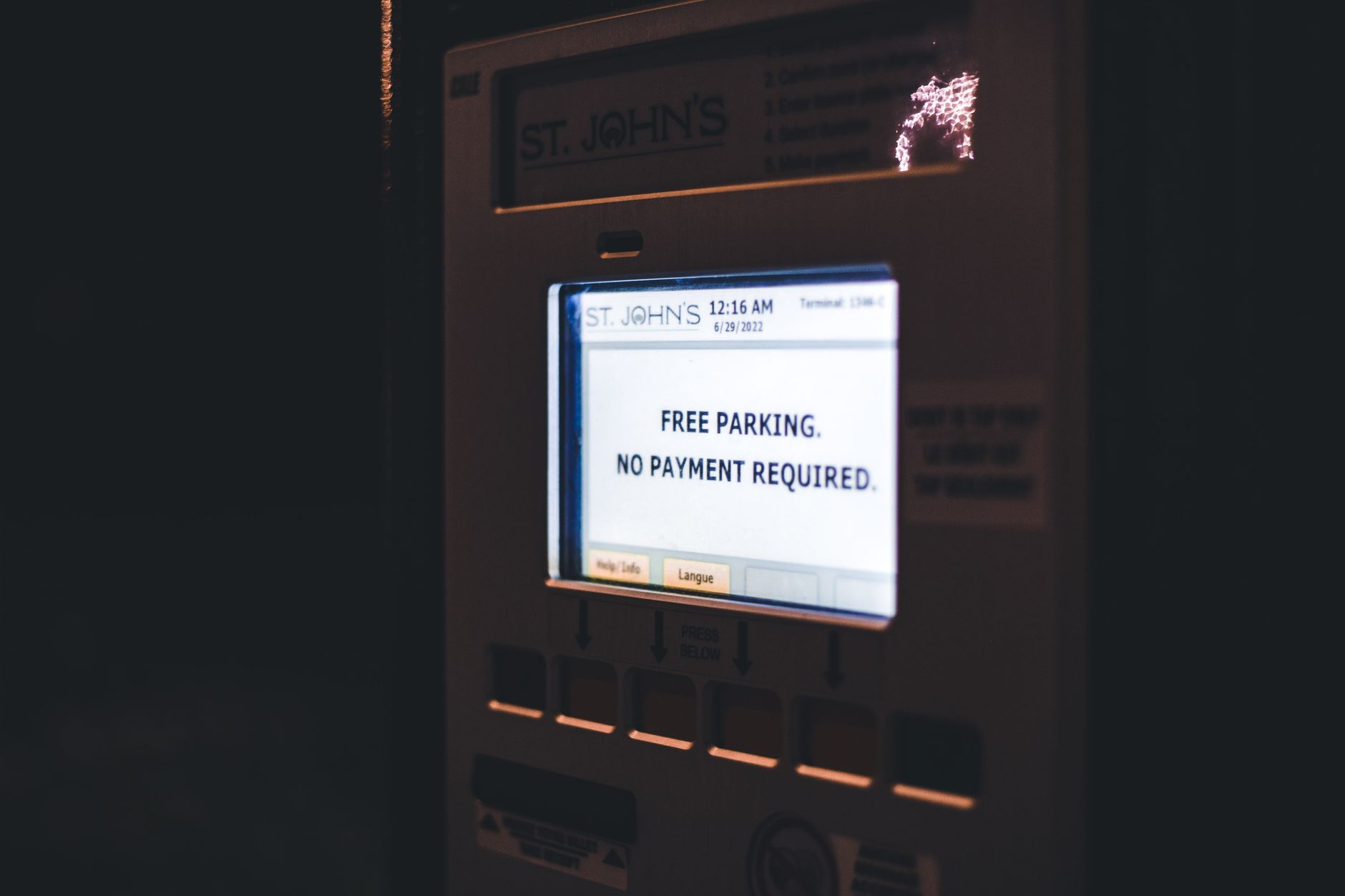
Parking challenges define St John parking transport throughout the island. Cruz Bay has limited public parking. The ferry terminal lot fills quickly during peak season. Most shops and restaurants lack dedicated parking areas. Street parking is common but tight.
Virgin Islands National Park occupies two-thirds of St John's land. Many park entrances have small parking areas. Popular beaches fill parking quickly during midday. Arrive early at popular spots. Annaberg Sugar Plantation, Trunk Bay, and Coral World attract crowds.
Rental car agreements include parking rules. You're responsible for parking violations and towing fees. Don't park illegally. The island enforces parking regulations strictly. Owners vigorously remove illegally parked cars.
Gas stations operate near Cruz Bay. Fill up your tank before heading to remote areas. Gas prices run higher than St Thomas. Most stations accept cash and credit cards. Some stations close by 5 PM.
Roads flood during heavy rain. August through October brings hurricane season. Plan shorter trips during wet seasons. Monitor weather forecasts before driving. Some mountain roads become impassable after intense rainfall.
Watch for wildlife on roads. Donkeys, goats, and chickens roam freely. They step into roads unexpectedly. Slow down in areas with grazing animals. Hitting livestock damages your rental and faces liability.
Always carry your rental agreement and insurance documents. Police conduct regular license checks. Your driver's license, passport, and car documentation must be present. Non-compliance results in fines.
PRO TIP: Invest in a quality GPS device or download offline maps. Cell service is unreliable. Road signs are minimal and confusing. Locals give directions in landmarks, not street names. Navigation apps save hours of driving in circles.
Scooter and Bike Rental
Scooters and bikes offer flexibility without car rental costs. Rental shops operate in Cruz Bay and near the ferry terminal. You'll need a valid driver's license for scooters. No license is required for bicycles.
Scooter rentals cost between $25 and $40 daily depending on season. Bikes cost $10 to $20 daily. Weekly rates offer discounts. Insurance and helmets typically included in rental prices. Always wear helmets regardless of local habits.
Scooters navigate narrow roads better than cars. They park easily in tight spots. Fuel consumption is minimal. You'll spend less than renting a car. Gas and parking won't drain your budget.
Mountain terrain makes scooters challenging for inexperienced riders. Hills are steep and roads are winding. Blind curves and loose gravel add danger. Practice in town before heading to remote areas. Many tourists overestimate their riding abilities.
Bikes work for short distances on relatively flat terrain. Cruz Bay to Coral World is bikeable though hilly. Trunk Bay road is mostly downhill from town. Biking uphill returns are challenging. Most cyclists rent bikes for one-way trips and use taxis back.
Rental agencies provide helmets, locks, and basic maintenance. Ask about repair kits and spare tubes. Many shops don't require deposits for experienced renters. First-time renters may pay deposits. Return bikes on time to avoid late fees.
Riding etiquette matters on St John. Locals drive cautiously around tourists on scooters. Stay on your side of the road. Use hand signals for turns. Make yourself visible with bright clothing. Never ride after drinking.
Ferry Services and Island Hopping

Ferries connect St John to St Thomas and Water Island. Red Hook terminal on St Thomas is the primary departure point. Ferry trips take approximately 20 to 30 minutes depending on sea conditions. Multiple daily departures accommodate different schedules.
Ferry costs run about $4 to $5 per person one way. Children pay slightly less. Round trip tickets offer modest savings. Payment is cash or card at ticket windows. Buy tickets just before departure during off season.
Peak season ferries fill quickly. Arrive 30 minutes early to guarantee boarding. Afternoon ferries are less crowded than morning sailings. Evening ferries provide sunset views during the trip. The water can be rough; take motion sickness medication if prone to seasickness.
Ferry schedules change seasonally and by day. Winter schedules offer more frequent service. Summer sees reduced departures. Check current schedules at ferry terminals or online. Service disruptions happen occasionally due to weather or mechanical issues.
Water Island offers day trip opportunities. Ferries run less frequently to Water Island. Beaches there are less crowded than St John's popular spots. Bring snacks and water as facilities are minimal.
Practical Parking Information for St John
Parking is the most challenging aspect of St John parking transport. The island wasn't designed for vehicle volume it now experiences. Peak season creates severe shortages. Some days, finding parking requires circling for 20 to 30 minutes.
Cruz Bay ferry terminal has a small parking lot. It's full by 10 AM during peak season. There's no guarantee of finding a space. An overflow lot opened recently but fills quickly too. Use this lot as a backup option only.
Street parking lines the main streets throughout town. Spaces turn over frequently. Park only in marked spaces. The town actively enforces parking violations. Fines are significant, and cars get towed rapidly.
Beach parking varies by location. Trunk Bay has dedicated parking but it's limited. Annaberg Sugar Plantation has a small lot. Popular spots fill early. Arrive before 9 AM at famous beaches during peak season.
Many restaurants and shops have no parking areas. You must park on streets and walk. Ask staff where locals park. They know unofficial spots. Don't park in private lots without permission.
Hotels often don't provide parking even when offering car rentals. Ask ahead about parking options. Some charge extra for parking privileges. Others don't guarantee spaces. Understanding parking before arrival prevents frustration.
The Virgin Islands National Park charges entrance fees. Park passes cost money per vehicle or per person. Passes provide access to multiple beaches and trails. Buy passes at park entrances. Some hotels sell passes in advance.
Frequently Asked Questions

Can I Drive Straight From the Ferry Terminal With My Rental Car?
Yes, you can drive from the ferry terminal immediately after renting. The terminal is near major roads leading throughout the island. However, allow time for paperwork and vehicle inspection. During peak hours, ferry terminals are congested. Drive slowly and cautiously when leaving the terminal area. Many rental agencies are located right at or near the ferry dock for convenience.
Is It Cheaper To Rent a Car in St Thomas and Drive Via Ferry?
No, ferries don't transport vehicles between islands. You must return rental cars to St Thomas before taking the ferry. You'd need separate rentals on each island, costing more. Taking taxis and shuttle services is usually cheaper for multi-island trips. This method also eliminates stress from driving in unfamiliar areas.
What's the Best Way To Get To Coral World Ocean Park?
Coral World sits on St Thomas, not St John. Take the ferry to Red Hook terminal. From there, taxis run to Coral World. The distance is about five miles. Some hotels offer complimentary shuttle service. If you rent a car on St Thomas, Coral World has a large parking lot available.
Do I Need an International Driving Permit for St John?
No, a valid US driver's license is sufficient for St John and the US Virgin Islands. International visitors should carry their valid home country license. An International Driving Permit (IDP) can be helpful as additional documentation. Rental agencies require your passport and home country license. Keep both documents with you while driving.
Are There Night-Time Transport Options From Restaurants Back To Hotels?
Yes, but options are limited. Call your hotel for taxi recommendations. Uber and similar services have limited availability on St John. Most restaurants can call taxis for you. Agreeing on prices before departure prevents surprises. Plan evening outings near your accommodation when possible. Many visitors avoid evening driving due to road conditions and limited lighting.