Last updated:
Understanding St John Visa Entry Requirements
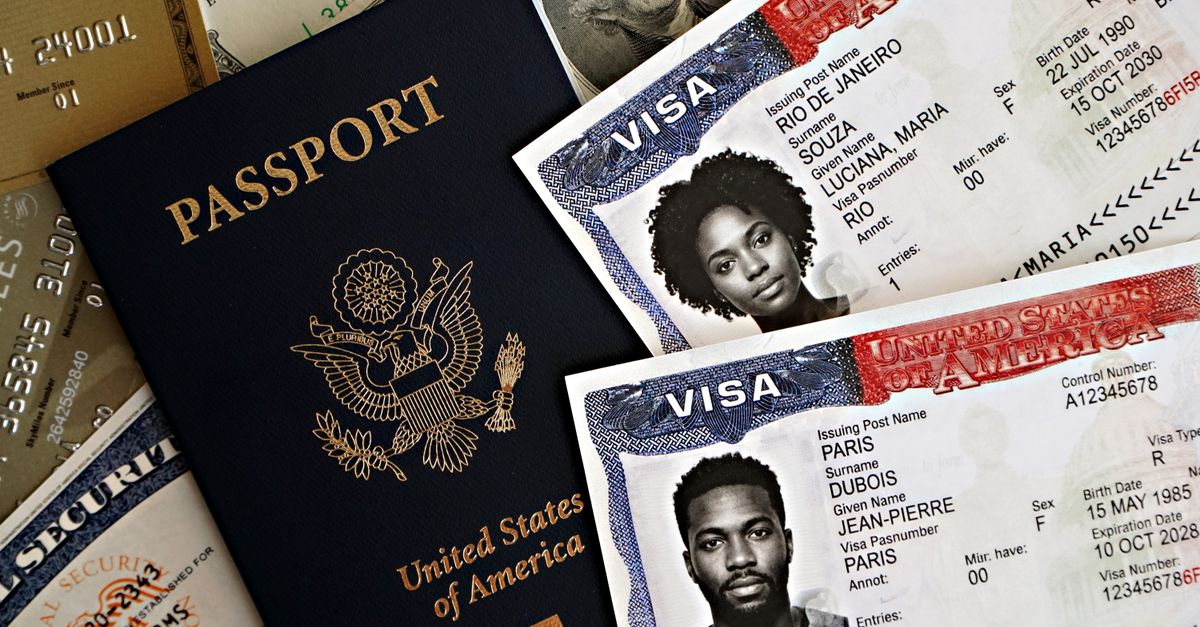
St John visa entry rules are straightforward for most visitors. St John is part of the United States Virgin Islands. The US government controls immigration policies here. You do not need a separate visa for St John itself.
However, US immigration requirements still apply. Many travelers need an ESTA (Electronic System for Travel Authorization). Some visitors need a full US visa. Your nationality determines your specific requirements. Understanding these rules prevents delays at the airport.
St John sits in the Lesser Antilles at coordinates 18.34, -64.74. The island covers 50.8 square kilometers. About 4,100 people live here. English is the official language. The US dollar is the only currency accepted.
Travel to St John is easy if you prepare documents beforehand. Most visitors arrive at Cyril E. King Airport on St Thomas. You then take a ferry or private boat to St John. The ferry ride takes about 20 minutes from Red Hook.
St John Visa Requirements by Nationality

United States Citizens: You need a valid US passport. No ESTA or visa is required. Your passport must be valid for the duration of your stay. US citizens can freely travel between St John and the mainland US.
Canadian Citizens: Canadians need a valid passport. You must apply for an ESTA before traveling. The ESTA application takes minutes online. The approval usually comes within hours. ESTA costs $14 USD.
European Union Citizens: Most EU nationalities qualify for ESTA. Citizens from these countries can use the visa waiver program: Germany, France, Spain, Italy, Netherlands, Belgium, Austria, Denmark, Finland, Ireland, Luxembourg, Portugal, Slovenia, Sweden, Czech Republic, Estonia, Hungary, Latvia, Lithuania, Malta, Poland, Slovakia, and Romania.
United Kingdom Citizens: British travelers need an ESTA. The application is online and takes approximately 15 minutes. Approval typically comes within hours. Keep your ESTA number for check in.
Australian and New Zealand Citizens: Both nationalities qualify for ESTA. Apply online at least 72 hours before travel. Australian and New Zealand passports are widely recognized.
Other Nationalities: Contact the nearest US embassy or consulate. Your country may require a full US visitor visa. Processing times vary by location. Begin your application three months before your planned trip.
PRO TIP: Apply for your ESTA at least one week before travel, even though approval usually comes faster. This gives you time to fix any application errors or pursue a visa if ESTA is denied.
Entry Documents You Need for St John Visa Entry
Valid Passport: Your passport must be valid for at least six months beyond your travel dates. Most countries require this. Your passport must have blank pages for stamps. Renew your passport well before your trip if needed.
ESTA (if applicable): Apply at the official ESTA website (www.cbp.gov). You cannot apply through other websites without paying extra fees. The ESTA permits 90 days of stay per visit. Keep your ESTA confirmation number with your travel documents.
Return or Onward Ticket: You should have proof of return travel. This shows immigration officers you plan to leave. A ferry ticket to another island counts as onward travel. Airlines may refuse boarding without proof of departure.
Travel Insurance Documentation: While not required, carry your insurance details. Medical emergencies can become expensive. Insurance protects you financially if illness or injury occurs.
Hotel Reservations or Proof of Accommodation: Show where you will stay. A hotel confirmation works best. Letters from friends offering accommodation also work. Immigration wants confirmation you have lodging.
Proof of Funds: Officers want to see you can support yourself. A recent bank statement works. Credit cards provide evidence of financial resources. Bring financial documents just in case officials ask.
Vaccination Records: While not required for entry, carry vaccination records. Some accommodations request proof of vaccination. Airlines may ask about vaccination status.
What to bring in your carry on bag: passport, ESTA confirmation, insurance documents, hotel confirmations, and payment methods. Keep these items accessible during your journey. Never pack important documents in checked luggage only.
Customs Rules in St John

St John has standard US customs rules. You must declare all items brought into the island. Customs officers inspect baggage at the port or airport. Being honest prevents serious legal problems.
What You Can Bring: Personal items like clothing and toiletries are allowed. Electronics for personal use are permitted. Books and reading materials are acceptable. Sports equipment is generally allowed.
Alcohol and Tobacco: Travelers aged 21 and older can bring alcohol. You are limited to one liter duty free. Tobacco products are restricted to one carton of cigarettes. Heavy penalties apply if you exceed these limits.
Medications: You can bring prescription medications. Keep medications in original containers with your name on the label. Controlled substances face serious penalties. Bring a doctor's letter if your medication might raise questions.
Restricted Items: You cannot bring illegal drugs. Firearms and ammunition require special permits. Certain plants and animals cannot enter the island. Fresh produce has restrictions depending on type.
Prohibited Items: Do not bring endangered animal products. Items made from sea turtles are illegal. Coral and coral products cannot be imported. Weapons other than firearms are typically prohibited.
Currency Declaration: You can bring unlimited US dollars. If you carry more than $10,000 USD in cash, you must declare it. This declaration is legal and routine. Failure to declare large amounts creates legal trouble.
Duty Free Exemptions: As a returning resident or visitor, you get an exemption. The amount depends on your length of stay. Goods purchased in duty free shops are often cheaper. Ask customs officers about current exemption amounts.
PRO TIP: Photograph your valuable electronics before you leave home. This proves you owned them before traveling. Customs officers sometimes question expensive items. Proof of prior ownership prevents confiscation.
Is St John Safe To Visit
St John is generally safe for tourists. The island has a small population of 4,100 people. Most visitors explore without incidents. Exercise normal travel precautions like you would anywhere.
Safe Areas for Tourists: Virgin Islands National Park is very safe. The park covers two-thirds of St John. Trunk Bay has good security and lifeguards. Coral Reef Underwater Trail is patrolled regularly. Cinnamon Bay offers water sports in a secure setting.
Safety Tips for Your Visit: Avoid walking alone at night. Stay in well lit areas after dark. Do not display expensive jewelry or cameras. Keep valuables in your hotel safe. Use registered taxis instead of hitchhiking.
Police Presence: The US Virgin Islands Police Department operates on St John. Officers patrol tourist areas regularly. Emergency services are available 24 hours. Call 911 for emergencies just like in the US mainland.
Beach Safety: Never leave belongings unattended at beaches. Theft from beach bags is the main tourist crime. Swim only at designated beaches with lifeguards present. Check weather conditions before water activities.
Medical Safety: Quality medical care is available. Schneider Regional Medical Center is the main hospital on nearby St Thomas. Private clinics operate on St John. Medical standards are equivalent to the mainland US.
Natural Hazards: Hurricane season runs June through November. Monitor weather forecasts during these months. Rip currents can occur at some beaches. Always check water conditions before swimming.
Vehicle Safety: Roads on St John are narrow and steep. Drive carefully and use headlights at night. Traffic follows US driving rules. Rental car insurance is essential and usually required.
Health Requirements for St John

No vaccinations are legally required to enter St John. However, health officials recommend certain precautions. Consult your doctor at least four weeks before travel. Your doctor can recommend vaccines based on your health history.
Recommended Vaccinations: The CDC recommends being up to date on routine vaccines. Hepatitis A vaccine is often suggested for Caribbean travel. Typhoid vaccination protects against contaminated food or water. Yellow fever vaccination is not required but sometimes recommended.
Malaria Prevention: Malaria is not present on St John. Mosquitoes do exist seasonally during warmer months. Dengue fever cases occasionally occur on the island. Use insect repellent to prevent mosquito bites. Wear long sleeves and pants during dawn and dusk.
Zika Virus: Zika cases have occurred historically in the Caribbean. Pregnant women should consult doctors before traveling. Use mosquito protection like DEET repellent. Pregnant women need to discuss risks with their healthcare provider.
Water Safety: Tap water on St John is safe to drink. Public water systems meet US standards. Some visitors prefer bottled water for peace of mind. Bottled water is readily available at all stores.
Food Safety: Food at restaurants is generally safe. Use the same food safety practices as on the mainland US. Avoid food from street vendors with questionable sanitation. Wash fruits and vegetables if preparing your own meals.
What to Pack for Health: Bring all prescription medications. Pack common over the counter medications like pain relievers and antacids. Include sunscreen with SPF 30 or higher. Bring a basic first aid kit with bandages and antiseptic.
Travel Insurance and Medical Coverage: Check if your insurance covers travel abroad. Many US policies do cover the US Virgin Islands. Purchase additional travel medical insurance if needed. Insurance costs are usually minimal and provide crucial protection.
Travel Insurance for St John
Travel insurance protects you from unexpected costs. Medical emergencies can be expensive even in the US. Trip cancellation insurance refunds prepaid costs. Baggage insurance covers lost or delayed luggage.
Medical Coverage: Travel medical insurance covers emergency hospital visits. Dental emergencies are sometimes included. Evacuation to a larger medical facility is covered. Coverage limits vary between plans and providers. Choose a plan with sufficient coverage for your needs.
Trip Cancellation Insurance: This refunds your prepaid vacation costs. Coverage applies if you cancel for covered reasons. Common covered reasons include illness, injury, or death. Read your policy to understand what qualifies as a covered reason. Cancellation for bad weather is usually not covered.
Baggage and Luggage Coverage: Lost luggage is covered by many plans. Delayed baggage coverage pays for essentials. Baggage delay insurance reimburses your initial expenses. Coverage typically includes a per-item limit. Read policy details for maximum claim amounts.
Travel Delay Insurance: This covers costs if travel is delayed. Covered delays are usually more than 12 hours. Hotels, meals, and transportation are sometimes reimbursed. Maximum reimbursement varies by policy. Check your plan for specific coverage details.
Emergency Evacuation Coverage: St John has good medical facilities. However, serious cases may need evacuation to Puerto Rico. Emergency evacuation costs can exceed $50,000 USD. Evacuation insurance covers these extreme costs. This coverage is crucial for remote or dangerous activities.
Adventure Activity Coverage: Standard plans may not cover scuba diving. St John offers excellent scuba diving opportunities. Specify adventure activities when purchasing insurance. Diving coverage ensures you are protected underwater.
How to Purchase Travel Insurance: Buy insurance within 14 days of booking your trip. This ensures better coverage options. Compare multiple insurance companies for pricing and coverage. Purchase through reputable providers with good customer reviews. Never buy insurance from unknown websites.
PRO TIP: Purchase travel insurance immediately after booking your flight. Most plans offer better rates and coverage if purchased within two weeks of your initial trip booking.
Frequently Asked Questions
Do I Need a Visa To Visit St John?
Most nationalities do not need a separate visa for St John since it is part of the US Virgin Islands. However, US immigration policy applies. Many travelers need an ESTA (Electronic System for Travel Authorization). Citizens of visa waiver countries can apply for ESTA online. The application takes about 15 minutes and costs $14 USD. ESTA approval usually comes within hours but apply at least one week before travel. Some nationalities need a full US visitor visa. Contact your nearest US embassy to determine your specific requirements. Having the correct travel documents prevents delays at airport security.
What Documents Do I Need To Enter St John?
You need a valid passport for entry to St John. Your passport must be valid for at least six months after your travel dates. If you require an ESTA, print your approval confirmation. Bring proof of return or onward travel like a ferry ticket or flight confirmation. Hotel reservations or accommodation proof are helpful. Proof of financial funds such as a bank statement supports your case. Travel insurance documentation provides important protection. Keep all documents in your carry on bag during travel. Do not pack important documents in checked luggage only. Having these documents organized speeds up the entry process significantly.
What Is the Best Time To Visit St John?
The best months to visit St John are December through May. These months have pleasant weather with temperatures around 28.1°C (82°F). Rainfall is minimal during these months. Humidity is lower than in summer. Hurricane season runs June through November and should be avoided. December and January are peak tourist seasons with higher prices. February through May offer fewer crowds and good weather. These shoulder months provide the best value. Pack light clothing, sunscreen, and rain gear just in case. Check weather forecasts before booking your trip for accurate conditions.
Is St John Safe for Tourists?
St John is generally safe for tourists and visitors. The island has a small population and strong police presence in tourist areas. Violent crime against tourists is rare. The main safety concern is petty theft from unattended beach bags. Avoid walking alone at night and stay in well-lit areas. Use registered taxis instead of hitchhiking. Do not display expensive jewelry or cameras. Virgin Islands National Park is very safe and heavily patrolled. Exercise normal travel precautions like you would in any location. Medical care meets US standards with quality hospitals and clinics available.
What Vaccinations Do I Need for St John?
No vaccinations are legally required for entry to St John. However, the CDC recommends being up to date on routine vaccines. Hepatitis A vaccination is often suggested for Caribbean travel. Consult your doctor at least four weeks before traveling. Malaria is not present on St John. Dengue fever and Zika virus cases occur occasionally. Use mosquito repellent with DEET to prevent insect bites. Tap water is safe to drink meeting US safety standards. Carry your prescription medications in original containers. Purchase travel medical insurance to cover unexpected health costs.